World · India Bureau
Large retailers blamed for footpath seizures threatening Shivajinagar street vendors
Encroachments by established shops have narrowed pedestrian pathways in Bangalore's busy Shivajinagar district, putting pressure on small-scale street vendors already facing eviction warnings. The competing claims to limited public space highlight ongoing tensions between formal and informal retail sectors.
LSN India ·
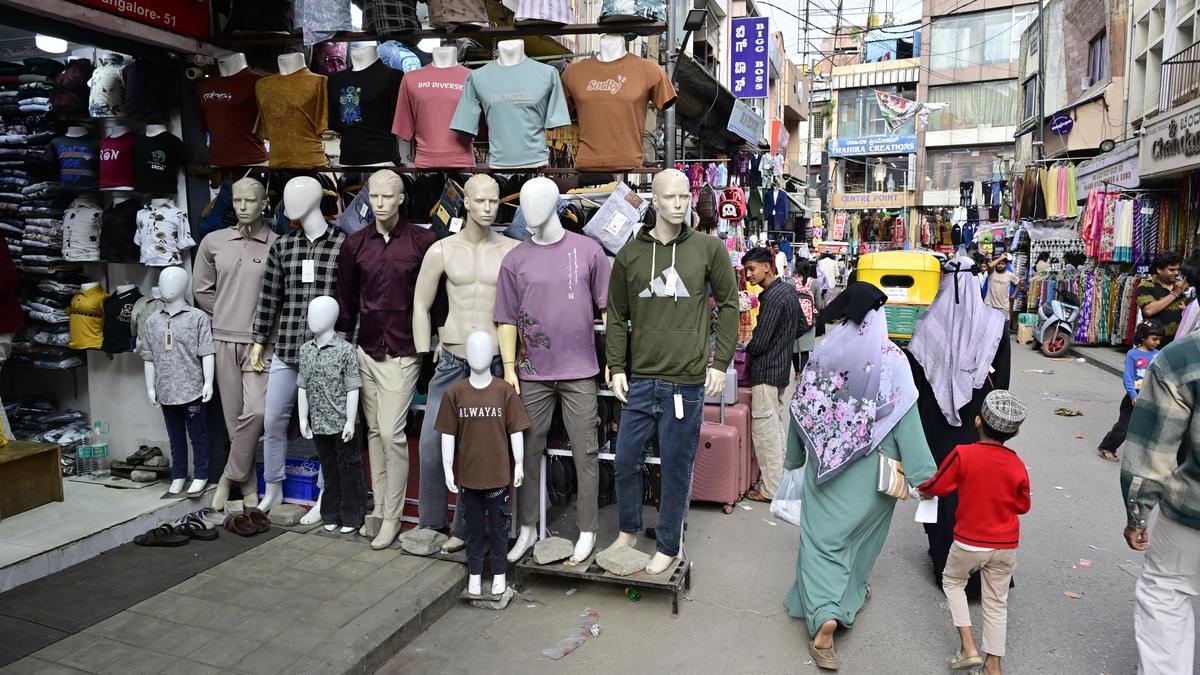
Footpath congestion in Shivajinagar has intensified as larger retail establishments expand merchandise displays onto public walkways, creating obstacles for pedestrians while simultaneously threatening the livelihoods of small-scale vendors operating in the same commercial zone. The encroachments have narrowed passages that residents and shoppers depend on for daily movement through the densely populated district.
Small vendors operating from the footpaths face particular vulnerability amid the competing pressures. While large shops have extended their retail footprint with little apparent consequence, street-level traders report receiving eviction notices from municipal authorities, raising concerns about unequal enforcement of encroachment regulations across different commercial operators.
The situation reflects broader challenges in Indian urban centres where informal retail sectors struggle to coexist with formal commercial establishments. Public pathways intended for pedestrian use have become contested terrain, with both merchant groups claiming legitimate claims to space and revenue.
Local authorities have initiated periodic clearance operations, though implementation appears inconsistent. The absence of coordinated enforcement has allowed larger retailers to maintain substantial footpath occupancy while smaller vendors face heightened pressure to vacate. Residents have expressed frustration over reduced walkway access, describing the congested conditions as both a safety concern and a disruption to neighbourhood commerce.
The dispute underscores the need for comprehensive street-vending policies that address the competing interests of formal retailers, informal vendors, and pedestrian accessibility in high-density commercial districts.