World · India Bureau
Large-scale tree planting in Uruguay linked to declining river water levels
Two decades after Uruguay embarked on an ambitious afforestation programme to convert grasslands into forests, hydrologists have documented a significant reduction in water flow in regional rivers. The finding raises questions about the environmental trade-offs of large-scale tree-planting initiatives.
LSN India ·
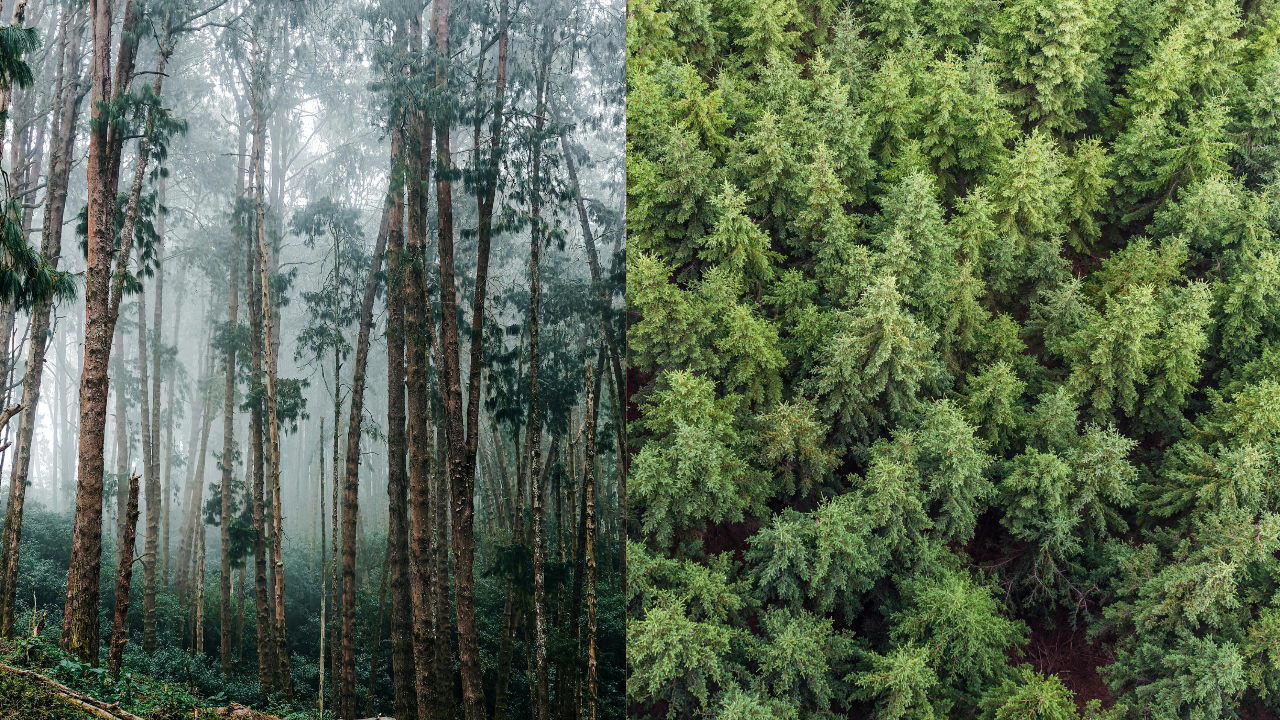
Uruguay's extensive reforestation effort, which transformed vast stretches of native grassland into commercial and native forests over the past 20 years, has had an unexpected consequence: substantially lower water levels in major river systems across the country.
Hydrological studies tracking the impact of the afforestation programme have revealed that river discharge has declined measurably since the trees were planted. Scientists attribute the reduction to increased water absorption and transpiration by the newly established forests, which draw moisture from the soil and release it into the atmosphere at higher rates than the grasslands they replaced.
The findings present a complex challenge for policymakers balancing environmental conservation goals with water resource management. While forests offer benefits including carbon sequestration, soil stabilization, and biodiversity support, the reduced water availability has implications for agriculture, hydroelectric power generation, and downstream communities dependent on consistent river flows.
Environmental researchers emphasize that the case underscores the importance of comprehensive environmental impact assessments before undertaking large-scale land-use conversion projects. They advocate for more nuanced approaches that consider regional hydrology alongside other ecological and economic factors.
The situation has prompted discussions among South American nations about developing better frameworks for evaluating the full environmental consequences of afforestation programmes, particularly in regions where water resources are critical to economic activity and food security.