Culture & Entertainment · India Bureau
Lawrence Bishnoi: From student politics to leading sprawling criminal empire
The Lawrence Bishnoi gang has emerged as one of India's most notorious criminal networks, with the recent attack on actor Tiger Shroff marking the latest in a series of high-profile violent incidents. The organization's trajectory from student activism to organized crime reflects a troubling evolution in India's underworld.
LSN India ·
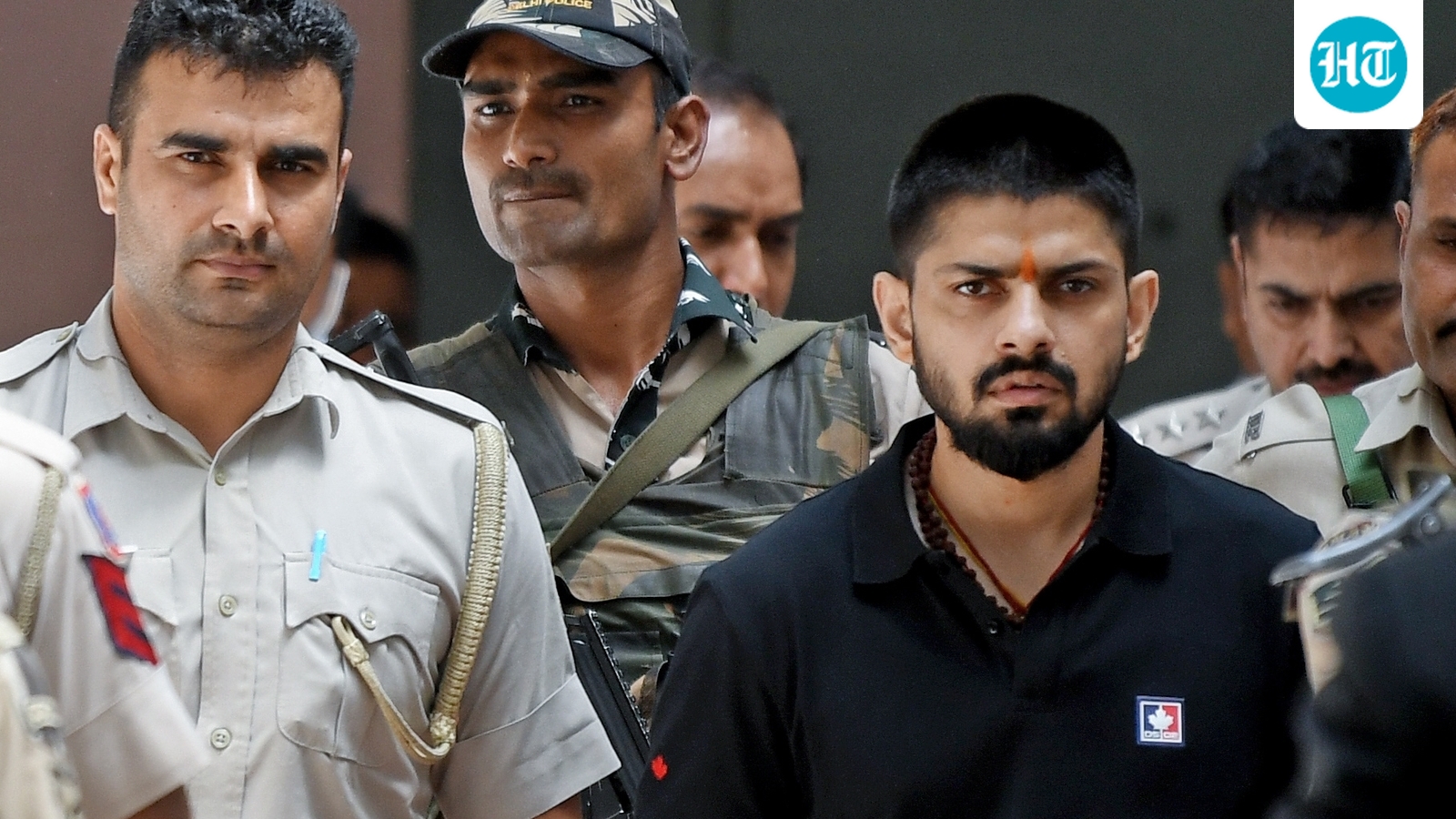
Lawrence Bishnoi's criminal enterprise has grown from modest beginnings into a sophisticated network operating across multiple states, marked by a pattern of targeted violence against high-profile figures and rivals. The gang's activities have escalated over recent years, with law enforcement agencies tracking connections to numerous criminal operations spanning extortion, contract killings, and organized racketeering.
Bishnoi's early involvement in student politics provided him access to networks and organizational structures that would later facilitate his transition into criminal activities. His ascent within the underworld was marked by a pivotal moment—his alleged involvement in his first major murder—which established his reputation and solidified his position within criminal circles in North India.
The organization has since expanded into a sprawling network with reach across Delhi, Punjab, Haryana, and other regions. Members of the gang have been implicated in numerous high-profile incidents, including attacks on business figures, media personalities, and entertainment industry members. The sophistication of recent operations suggests a well-coordinated command structure capable of executing complex criminal activities.
Law enforcement agencies across multiple states have intensified investigations into the gang's operations, documenting connections between seemingly disparate criminal incidents. The pattern of violence and the gang's apparent targeting of prominent individuals has raised concerns about organized crime's growing boldness in challenging law and order in the region.