World · India Bureau
Leaked documents expose Iran's covert oil trade operations in China
Confidential correspondence reveals Tehran has established a sophisticated network to circumvent international sanctions through Chinese intermediaries. The arrangement underscores Iran's strategy to maintain crude exports despite Western economic restrictions.
LSN India ·
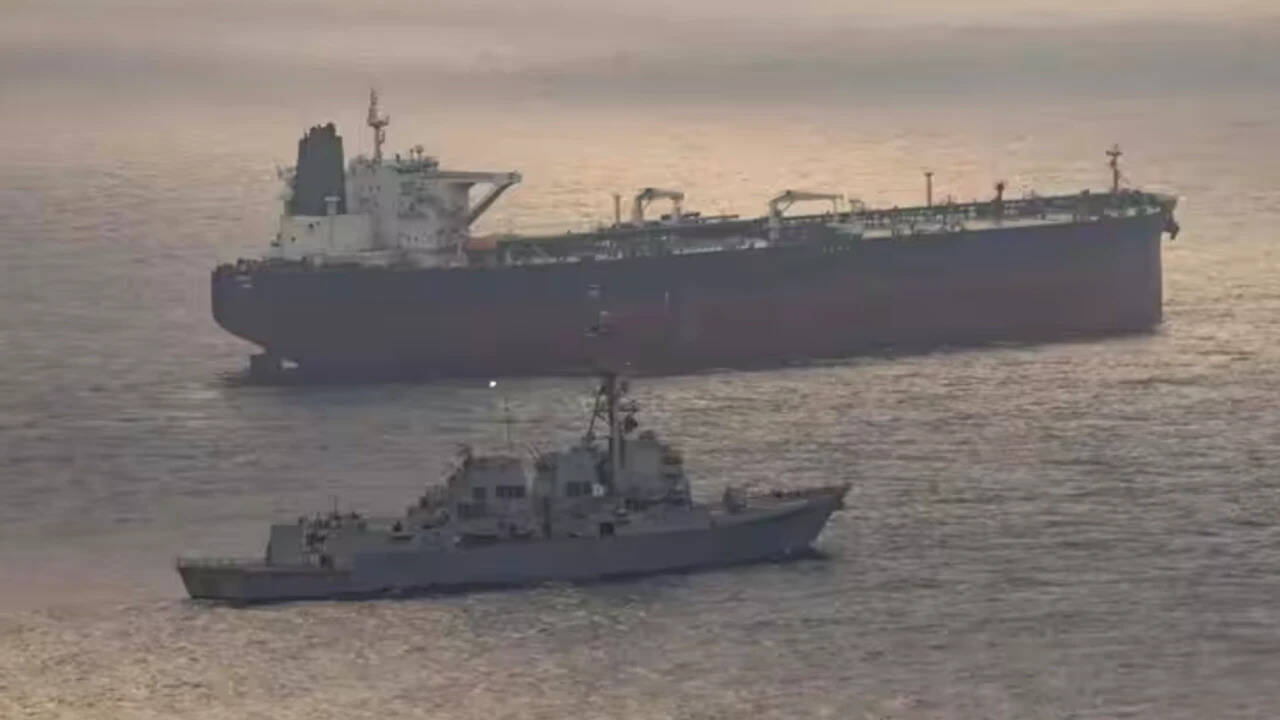
A leaked diplomatic letter has shed light on Iran's elaborate scheme to channel oil exports through China while evading international sanctions regimes. The correspondence details Tehran's reliance on a complex network of intermediaries and trading entities operating across Chinese ports and financial centers to mask the origin and ownership of petroleum shipments.
The arrangement reflects Iran's adaptive approach to sustaining revenue streams from hydrocarbon exports, its primary source of foreign exchange earnings. By leveraging Chinese commercial infrastructure and banking channels, Iranian officials have sought to obscure transaction trails that might otherwise trigger secondary sanctions against third-party nations and entities.
The leaked documentation provides rare insight into the mechanics of Tehran's sanctions-evasion strategy, illustrating how state-owned and private enterprises coordinate to facilitate crude transfers while maintaining plausible deniability regarding sanctions violations. The network reportedly involves vessel-to-vessel transfers at sea, shell companies registered in third countries, and the strategic use of Chinese ports to process and redistribute Iranian oil.
China has maintained significant economic ties with Iran despite international pressure, framing its energy imports as commercial necessity. However, the revelations raise questions about Beijing's awareness of and complicity in circumventing multilateral sanctions frameworks.
The exposure of these operations may prompt Western governments to scrutinize Chinese financial institutions and trading entities more closely, potentially complicating Iran-China energy relations and triggering additional enforcement actions against networks facilitating sanctions evasion.