World · India Bureau
Leatherback turtle's Ecuador nesting journey highlights conservation challenges
An endangered leatherback turtle in Ecuador overcame artificial lighting hazards to successfully nest, offering hope for the species' adaptation to changing coastal environments. The case underscores the ongoing need for dedicated conservation efforts to protect these marine reptiles.
LSN India ·
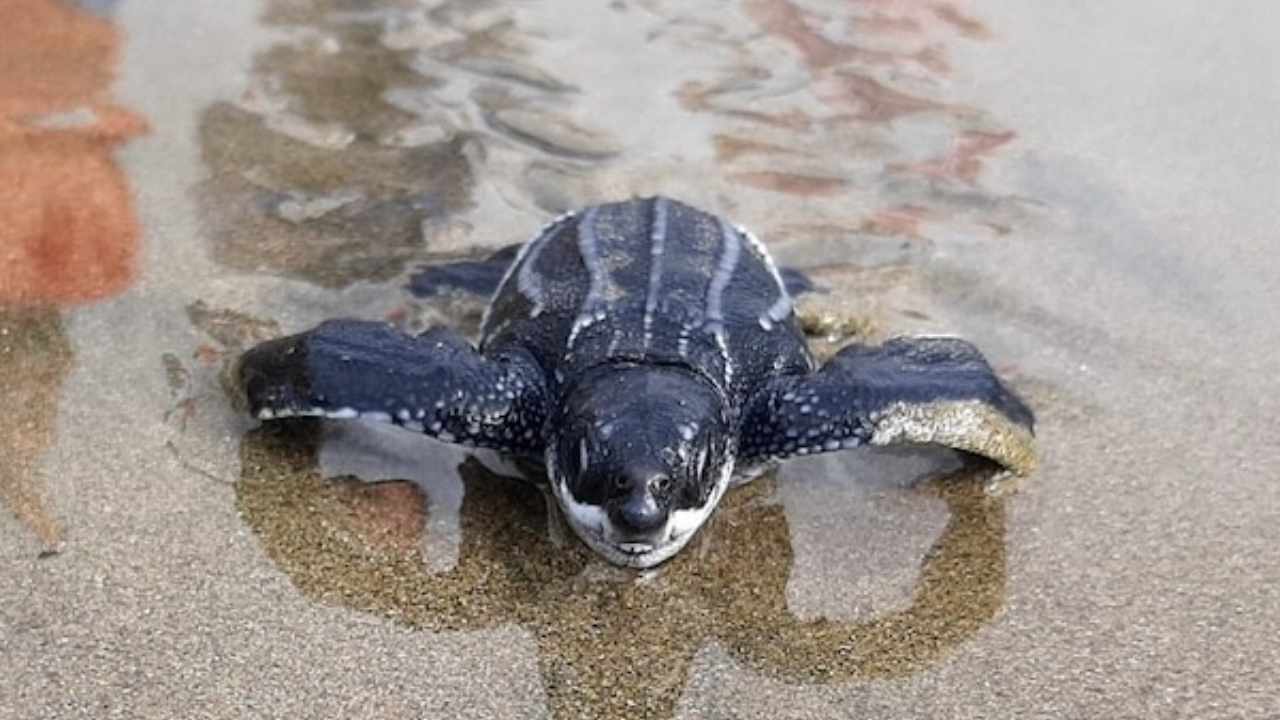
A resilient leatherback turtle, known locally as Bella, demonstrated the species' determination to reproduce despite escalating human-related obstacles when she attempted to nest along an Ecuador coastal area. After encountering challenges posed by artificial lighting and developed infrastructure on an urban sidewalk, the turtle persisted in finding a suitable nesting site on a quieter beach, where she successfully laid her eggs.
The successful hatching rates recorded from Bella's clutch provide encouraging evidence that leatherbacks are beginning to adapt behavioural patterns to their increasingly urbanized coastal habitats. Scientists monitoring the nesting site noted that despite unfavorable conditions in developed areas, the species continues to demonstrate reproductive resilience when given access to adequate nesting grounds.
However, researchers emphasize that individual success stories must not overshadow the broader conservation imperative. Leatherback populations continue to face persistent threats from coastal development, artificial lighting that disorients hatchlings, fishing nets, and ocean pollution. Marine biologists stress that such adaptations, while promising, cannot substitute for comprehensive habitat protection and management strategies.
Conservation organizations working in Ecuador's coastal regions have intensified efforts to establish and maintain safe nesting zones for upcoming breeding seasons. Experts warn that without concerted action to reduce human-related hazards and protect critical nesting habitats, even resilient populations like Bella's may struggle to sustain viable breeding numbers in the coming decades.