World · Malaysia Bureau
Leatherback turtles return to Terengganu nesting beaches after six-year absence
Conservation efforts have yielded encouraging results as endangered leatherback turtles resume nesting in Terengganu waters for the first time since 2017. Five nesting events since September have produced over 300 eggs, offering fresh hope for the species' recovery.
LSN Malaysia ·
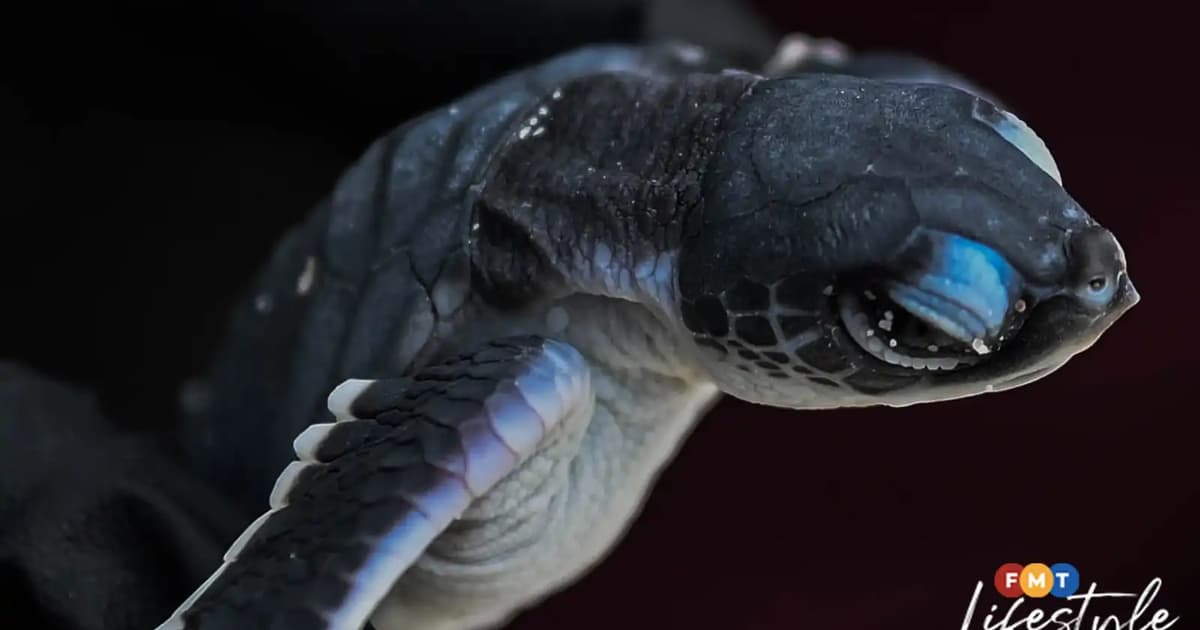
Terengganu's coastline has become a beacon of hope for leatherback turtle conservation following the return of nesting activities that had ceased nearly six years ago. Since September, five separate nesting events have generated 313 eggs along the state's beaches, marking a significant milestone in efforts to protect the critically endangered species.
The absence of leatherback nesting in Terengganu between 2017 and this year had raised concerns among marine conservationists about the species' viability in Malaysian waters. The resumption of nesting activities signals potential success of ongoing protection and monitoring programmes designed to safeguard nesting sites and reduce human disturbance.
The next critical phase involves careful monitoring of the incubation period as conservationists await the emergence of hatchlings. Leatherback eggs typically require approximately 60 days to incubate, a vulnerable period during which various environmental and biological factors can affect survival rates.
Experts emphasize that while the return of nesting turtles represents a positive development, sustained commitment to coastal conservation remains essential. Protecting nesting habitats from pollution, artificial light, and human interference will be crucial to ensuring the long-term survival of leatherback populations in Malaysian waters.
The return of these ancient mariners to Terengganu's shores underscores the importance of continued marine protection efforts across Southeast Asia, where multiple threats continue to endanger sea turtle populations.