World · World News Bureau
Lebanon implements power cuts to public institutions amid deepening energy crisis
Lebanon's government has begun reducing electricity supplies to public bodies as the country grapples with a severe power shortage. The crisis, compounded by political gridlock and regional instability, has prompted calls for structural economic reforms.
LSN World News ·
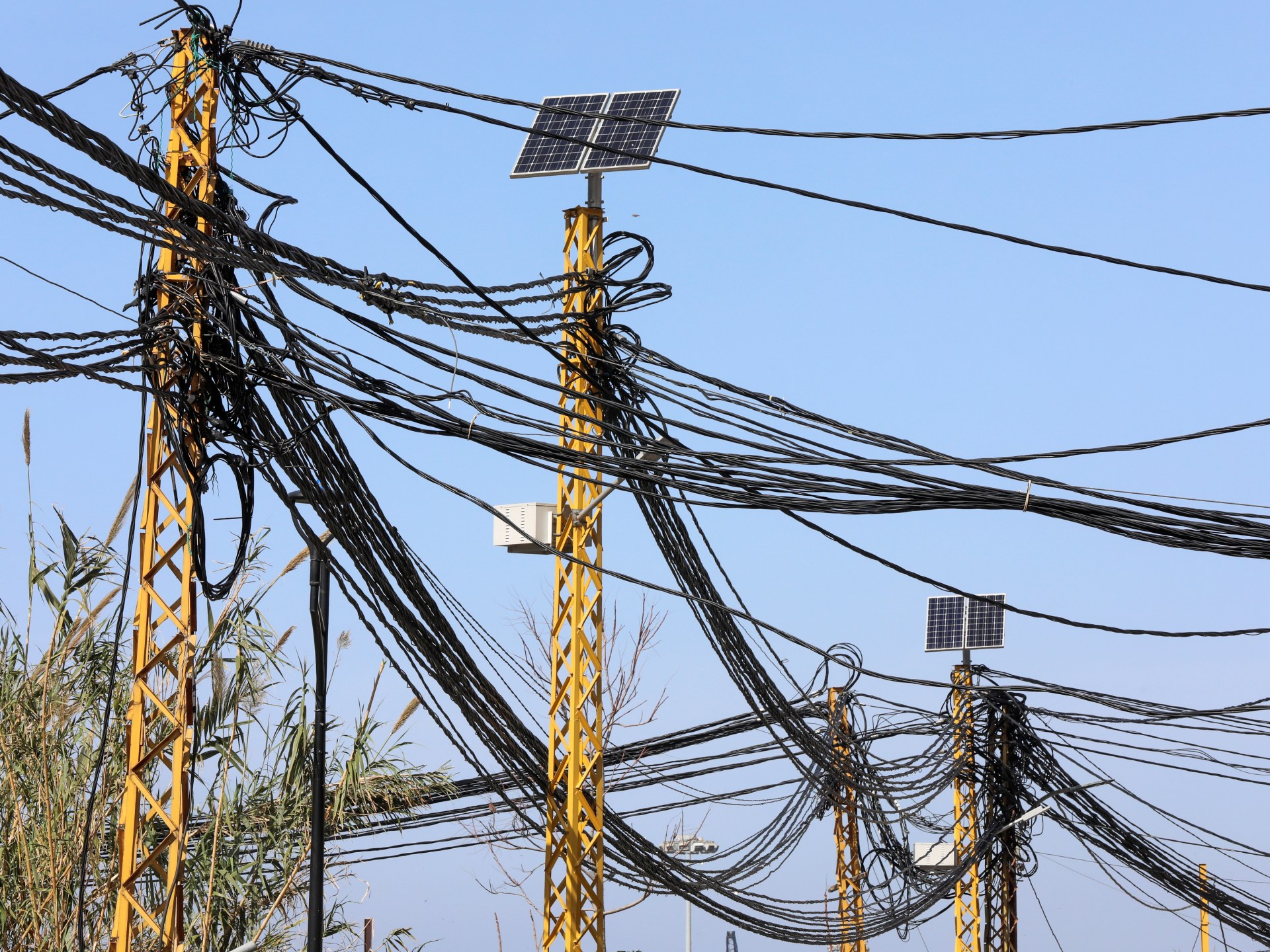
Lebanon's electricity sector has reached a critical juncture, with authorities now implementing selective power rationing to state institutions in an attempt to manage dwindling resources. The decision reflects the deteriorating state of the nation's energy infrastructure, which has struggled under years of mismanagement and underinvestment.
The country's power crisis stems from multiple interconnected challenges. Political disputes have hampered efforts to implement necessary reforms and secure international financing for the sector, while ongoing regional tensions have disrupted supply chains and added uncertainty to long-term planning. The situation has been further strained by Lebanon's broader economic collapse, which has depleted foreign reserves needed to import fuel and maintain generation capacity.
Energy experts have stressed that temporary measures such as selective blackouts will prove insufficient without comprehensive structural reforms. These analysts point to the need for modernizing aging infrastructure, tackling endemic corruption within state electricity utilities, and establishing transparent governance mechanisms to restore public confidence in the sector.
The power cuts to government facilities underscore the severity of Lebanon's energy shortage, which has affected businesses, hospitals, and households nationwide. With no immediate resolution in sight, policymakers face mounting pressure to pursue deeper systemic changes that address the root causes of the crisis rather than merely managing its symptoms.