World · World News Bureau
Lebanon's olive harvest imperiled by aerial threats and ordnance fears
Farmers in Lebanon face unprecedented dangers as they attempt to gather the autumn olive crop amid military operations and concerns over unexploded munitions. The combination of airborne threats and contaminated agricultural land has disrupted a harvest critical to rural livelihoods.
LSN World News ·
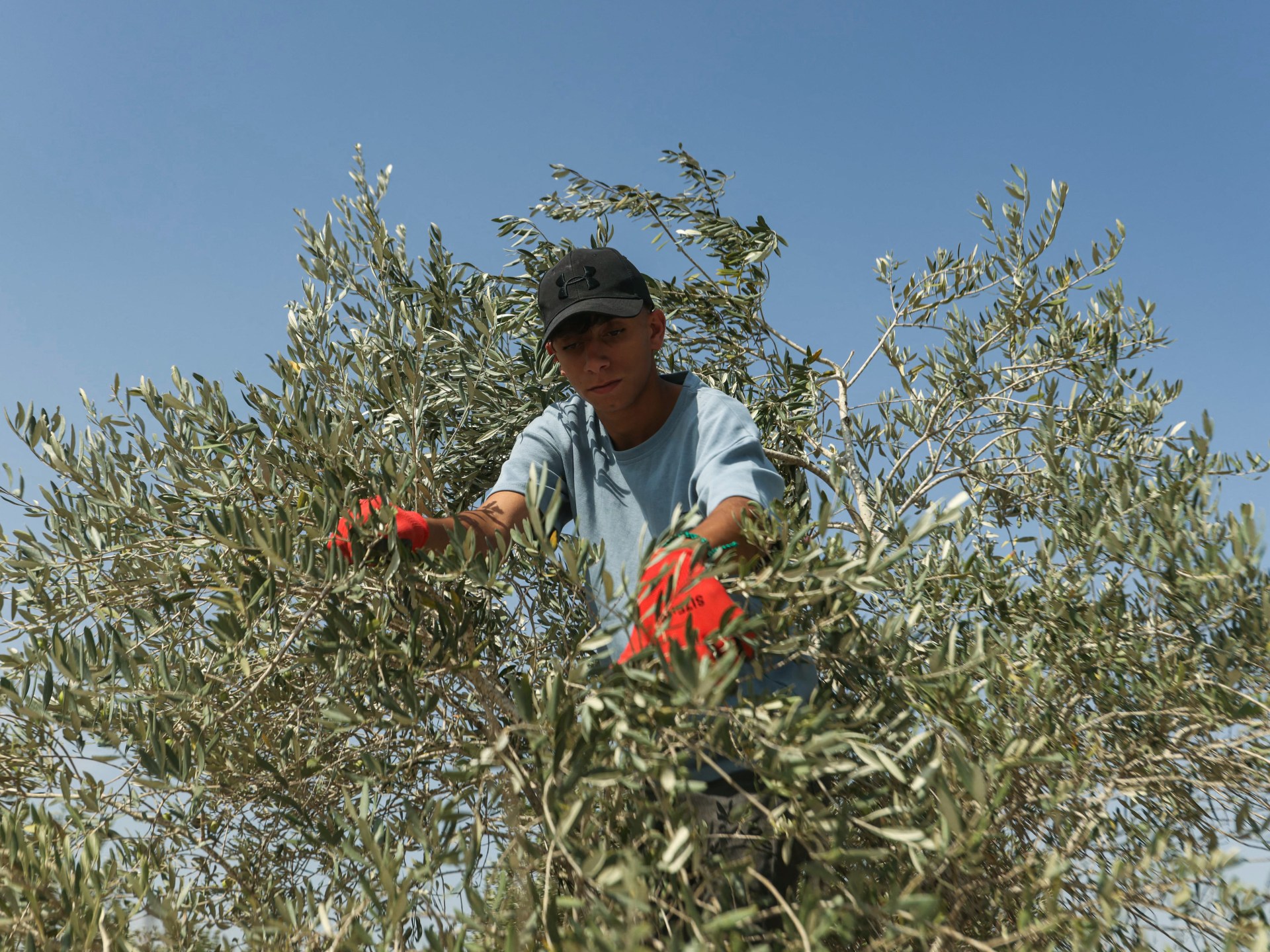
Lebanon's olive season, traditionally a cornerstone of rural economic activity, has become fraught with peril as harvesters navigate an environment marked by drone surveillance and military aircraft operations. Farmers working in groves across the country must now weigh the necessity of gathering their crop against escalating security risks that have transformed agricultural work into a potentially life-threatening endeavor.
The dangers extend beyond immediate aerial threats. Cluster munitions scattered across olive-growing regions pose a significant hazard to workers and equipment alike. Many areas previously affected by military strikes remain contaminated with unexploded ordnance, forcing harvesters to exercise extreme caution or abandon portions of their land entirely.
The disruption threatens the agricultural sector at a critical moment. Olive harvesting represents a vital income source for farming communities across Lebanon, particularly in rural areas where alternative employment opportunities are limited. A diminished yield this season would compound economic hardship for families already struggling amid the country's broader financial crisis.
Local agricultural authorities have expressed concern over the situation, though practical solutions remain limited. Farmers continue their work despite the hazards, driven by economic necessity and the hope that the season can be completed with minimal casualties.