Politics · Singapore Bureau
Lee Kuan Yew remained open to persuasion, former minister reveals
S. Jayakumar has disclosed details of robust Cabinet debates over Singapore's foundational institutions in a newly published work. The former senior minister suggests the late leader was willing to reconsider positions when presented with compelling arguments.
LSN Singapore ·
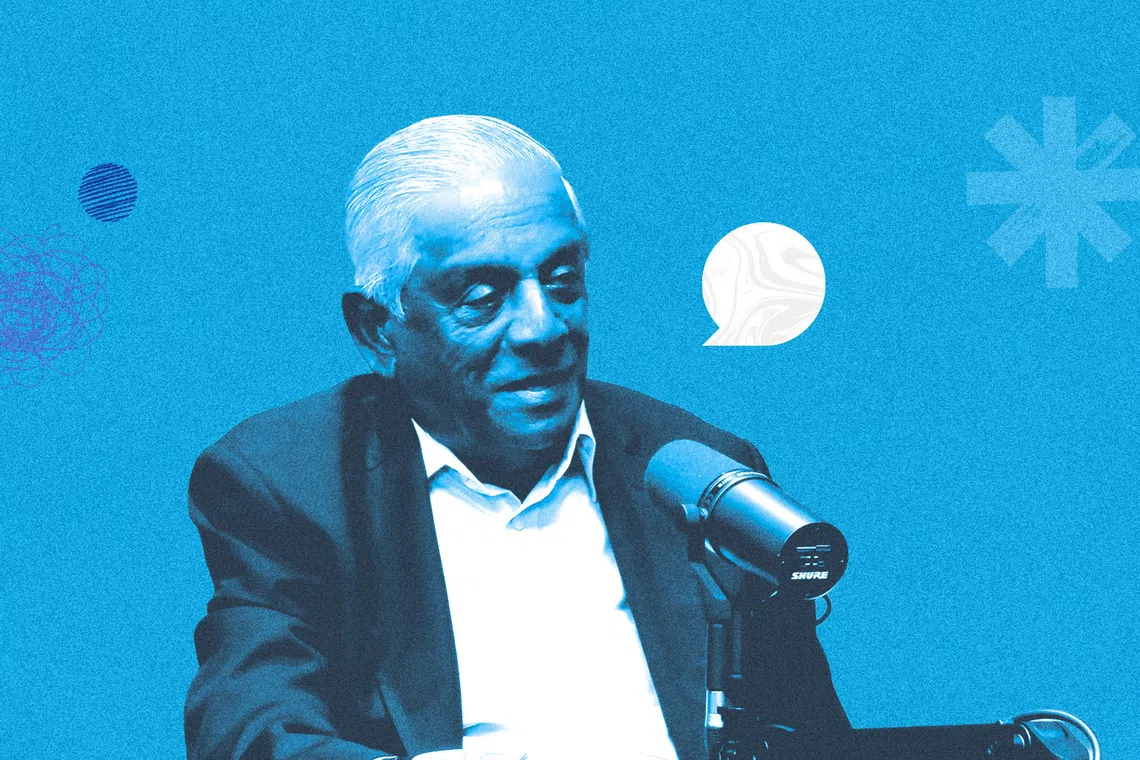
Former Senior Minister S. Jayakumar has provided fresh insights into how Singapore's founding leader Lee Kuan Yew engaged with his Cabinet colleagues, suggesting that the influential statesman was more receptive to alternative viewpoints than commonly perceived. Speaking on the publication of a new book documenting Cabinet discussions on three key institutions, Jayakumar indicated that Lee would listen to well-reasoned positions, despite his formidable reputation and decisive leadership style.
The book unveils substantive debates that took place within Singapore's highest decision-making body regarding three defining institutions that shaped the nation's development. These discussions reveal a more nuanced picture of governance during Singapore's formative years, where strategic disagreements were aired and deliberated at the Cabinet level before final decisions were made.
Jayakumar's commentary suggests that while Lee Kuan Yew's vision fundamentally guided Singapore's trajectory, the process of policy formation involved genuine intellectual engagement among senior government figures. The former minister's remarks indicate that access to compelling evidence or persuasive argument could shift positions, even among the most senior leadership, challenging perceptions of an entirely top-down decision-making structure.
The publication offers a rare glimpse into the deliberative processes that underpinned Singapore's institutional development during a critical period in the nation's history. By revealing the Cabinet-level discourse on foundational matters, the work contributes to a more complete historical record of how Singapore's governance model evolved.