Business · India Bureau
Legal experts stress need for precise crime definitions in Indian society
As India grapples with inflammatory political rhetoric and loose labelling of citizens, legal analysts warn that clear statutory definitions of criminal offences are essential for upholding rule of law and preventing arbitrary prosecution.
LSN India ·
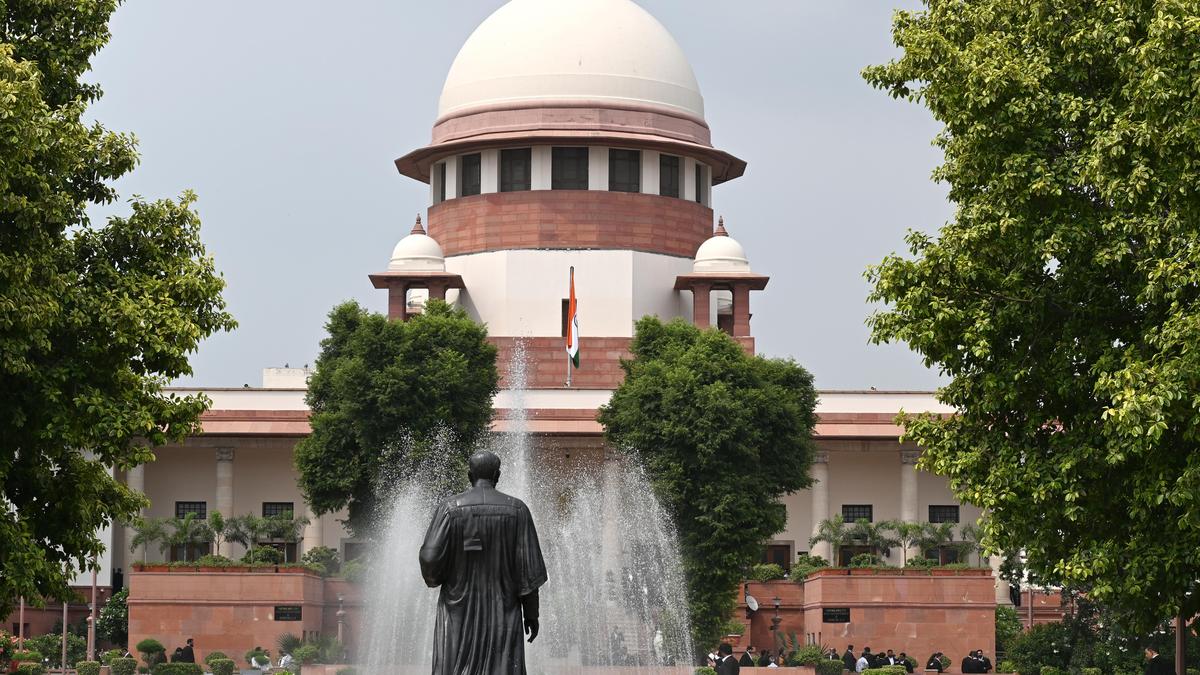
In a society increasingly prone to sweeping accusations and inflammatory terminology, the distinction between legitimate political discourse and criminal conduct has become dangerously blurred. Terms such as 'deshdrohi' (anti-national) and 'urban naxal' are routinely deployed in public discourse without legal precision, raising concerns about the weaponisation of language in law enforcement and governance.
Legal experts emphasise that democratic systems depend fundamentally on clearly defined criminal categories with precise statutory language. When terms used to describe criminal conduct lack formal legal definitions, they become tools for political targeting rather than instruments of impartial justice. The difference between an 'offence' and a 'crime' carries legal weight; one flows from violation of specific statutes while the other carries distinct procedural and evidentiary requirements.
The problem extends beyond mere semantics. Vague accusations enable authorities to selectively prosecute individuals based on political considerations rather than objective legal standards. Citizens lack clarity about what conduct actually violates law, and law enforcement gains discretionary power that undermines equal application of justice. This creates a chilling effect on legitimate expression and civic participation.
India's legal framework includes numerous statutes defining crimes, from the Indian Penal Code to modern legislation addressing national security concerns. However, when political vocabulary outpaces legal terminology, these frameworks lose their intended protective function. Strengthening the rule of law requires recalibrating public discourse to respect legal categories and resisting the temptation to criminalise dissent through linguistically loaded terminology that lacks statutory foundation.