World · India Bureau
Legal firecracker noise limits raise health concerns for Indian ears
While Indian regulations permit firecrackers to produce up to 125 decibels, audiologists warn that prolonged exposure at such levels poses significant risks to hearing health. Experts say understanding noise thresholds is critical as the festive season approaches.
LSN India ·
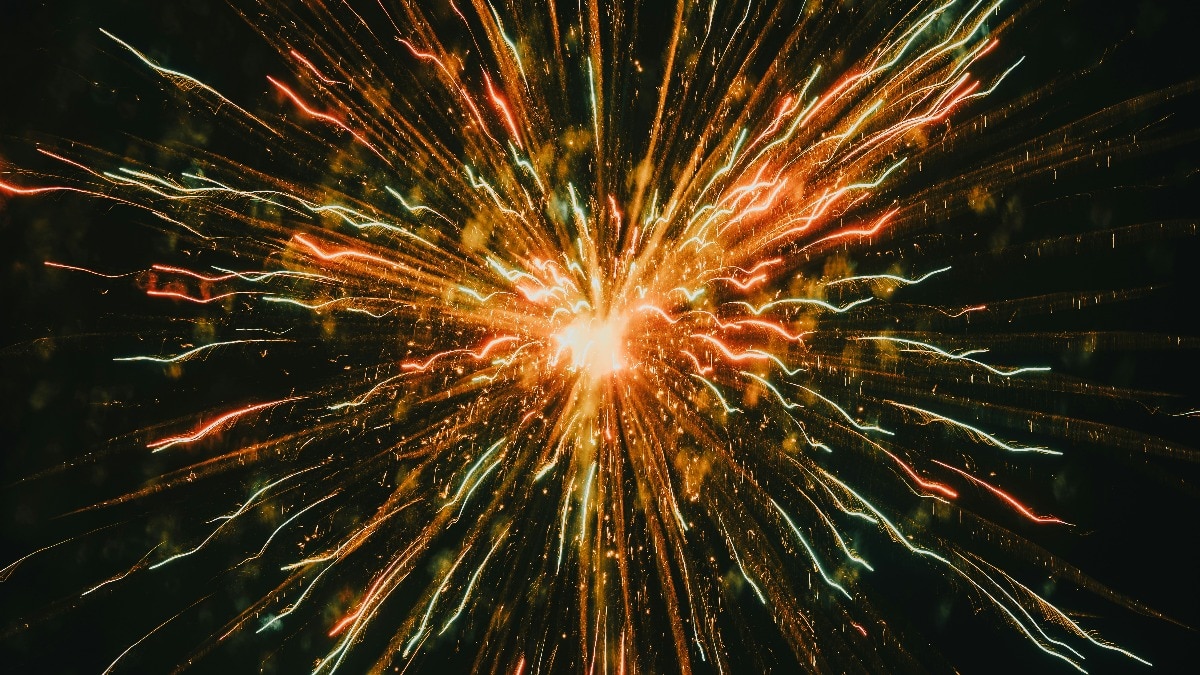
India's noise regulations allow firecrackers to emit sound levels reaching 125 decibels, a threshold that sits dangerously close to what acoustic scientists consider hazardous for human hearing. To put this in perspective, normal conversation measures around 60 decibels, while a motorcycle engine produces approximately 95 decibels. At 125 decibels, sound enters territory associated with immediate hearing damage, particularly when exposure is repeated or prolonged.
The human ear can tolerate brief exposure to sounds up to 85 decibels without sustained harm, according to audiological standards. However, anything above 100 decibels poses cumulative risk to the sensitive inner ear structures, especially in children whose auditory systems remain developing. The 125-decibel limit permissible under current Indian regulations means firecrackers can operate at levels comparable to jet engines or pneumatic drills.
Health experts caution that festive celebrations involving heavy firecracker use can result in temporary or permanent hearing loss, tinnitus, and auditory sensitivity issues. Vulnerable populations including children, elderly individuals, and people with pre-existing hearing conditions face heightened risk. Beyond human health, the noise pollution generated during peak cracker seasons disrupts wildlife and contributes to broader environmental degradation.
Medical professionals recommend limiting firecracker use, opting for quieter alternatives, and using hearing protection such as earplugs during festive periods. Regulatory bodies continue reviewing whether current noise thresholds adequately balance cultural traditions with public health imperatives.