World · Singapore Bureau
Legal minefield surrounds sales of seized criminal assets
Authorities across Asia grapple with the complexities of auctioning luxury goods confiscated from organized crime suspects and money laundering investigations. Experts warn consumers face ethical and legal risks when purchasing such items.
LSN Singapore ·
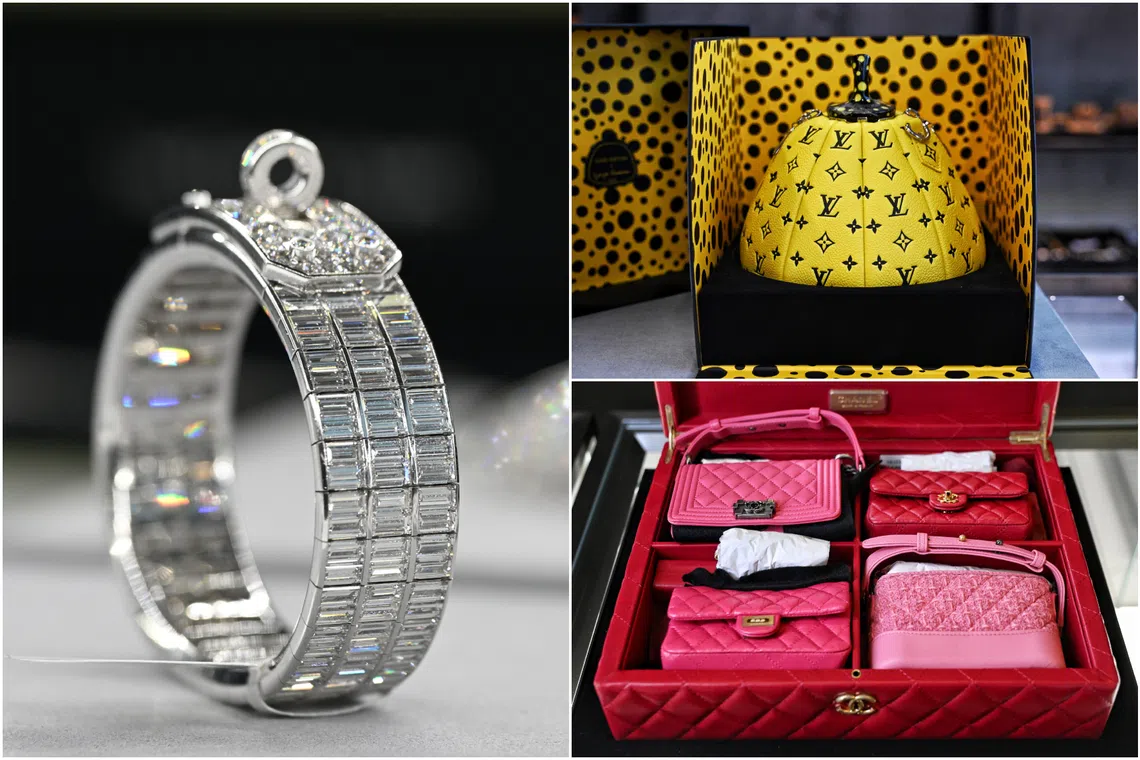
Law enforcement agencies from Singapore to Thailand regularly seize high-end merchandise—designer handbags, watches, jewelry—as part of investigations into organized crime, corruption, and financial crimes. Rather than destroy these assets, many governments auction them to recoup investigation costs and generate public revenue.
However, the practice raises significant questions for potential buyers. Acquiring items linked to serious criminal activity can present unexpected legal complications, including potential claims by victims seeking restitution or challenges from authorities in multiple jurisdictions. Beyond legal considerations, purchasing such goods raises ethical concerns about inadvertently benefiting criminal enterprises or funding further illegal operations through resale.
Regulatory frameworks governing the sale of seized criminal assets vary substantially across Asia-Pacific nations. Some jurisdictions impose strict disclosure requirements, while others provide limited information about an item's provenance. Consumer protection advocates recommend thorough due diligence before bidding, including verification of the item's legal status and understanding potential liability exposure.
Experts caution that buyers should seek legal counsel before purchasing high-value confiscated goods. The apparent bargain price often reflects the reputational and legal risks attached to such purchases. Authorities increasingly emphasize that transparency regarding asset origins protects both consumers and the integrity of law enforcement operations across the region.