Politics · India Bureau
Legal opinions advisory only, cannot form basis for prosecution: Patna HC
The Patna High Court has held that legal opinions provided by lawyers are advisory in nature and cannot be treated as binding directives, ruling out criminal prosecution of lawyers based on such opinions. The court noted that lawyers typically include safeguards such as recommendations for independent verification in their legal advice.
LSN India ·
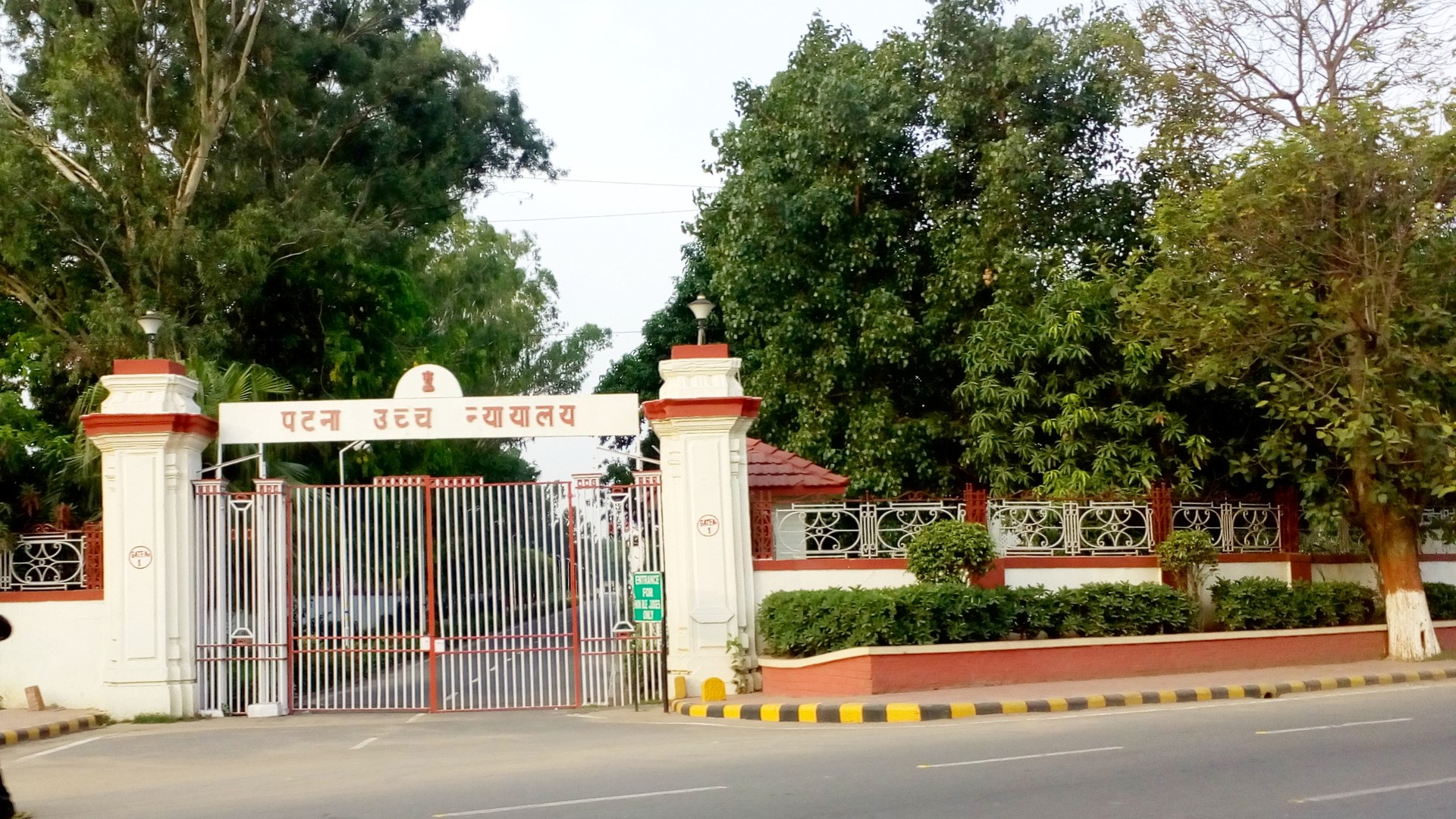
The Patna High Court has clarified that legal opinions furnished by advocates carry only advisory value and do not constitute binding directives that could expose lawyers to criminal liability. In its ruling, the court emphasized the distinction between legal counsel and actionable instructions, establishing an important precedent regarding the professional immunity of legal practitioners.
The court's judgment arose from a case where a petitioner had challenged whether a lawyer could be prosecuted based on a legal opinion provided to a bank. The bench pointed to specific safeguards embedded within the original opinion as evidence of the lawyer's professional diligence. Notably, the lawyer had explicitly cautioned the bank to conduct its own independent verification of the matter, rather than relying solely on the legal opinion.
This protective language, the court held, demonstrated that the lawyer had not presented the opinion as a definitive basis for action, but rather as advisory guidance subject to the client's independent judgment. The inclusion of such caveats is a standard professional practice that reinforces the non-binding nature of legal opinions.
The judgment carries significant implications for the legal profession in India, as it clarifies that advocates cannot be held criminally responsible for opinions provided in their professional capacity, provided they have exercised reasonable care and included appropriate disclaimers. The ruling reinforces the principle that clients bear responsibility for independently verifying legal advice and making their own informed decisions based on such guidance.
Photo: The main gate of the Patna High Court, Patna, Bihar, June 2017. Shivamsetu via Wikimedia Commons (CC BY-SA 4.0).