Politics · India Bureau
Legal Status of Protest Participation: What India's Laws Permit
Questions have arisen regarding whether individuals can be compelled to leave India for participating in lawful protests. Legal experts clarify the constitutional and statutory protections governing such activities.
LSN India ·
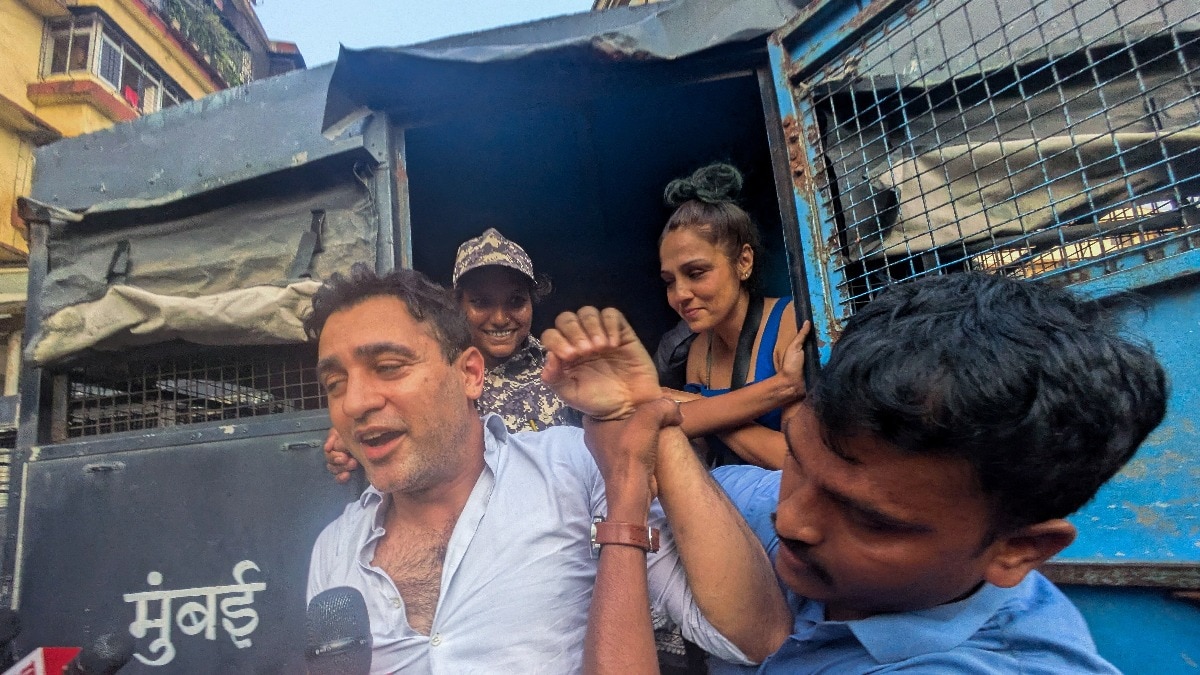
India's constitutional framework provides citizens and residents with the fundamental right to assemble peacefully and petition the government for redressal of grievances, protected under Article 19 of the Constitution. These rights extend to participating in protests and demonstrations, provided such activities remain non-violent and comply with applicable regulations.
Under Indian law, participation in peaceful protests is a protected activity, and individuals cannot be arbitrarily forced to leave the country solely for exercising this right. The Foreigners Act, 1946, does grant authorities the power to restrict the entry or movement of foreign nationals deemed prejudicial to national security or public order. However, such powers must be exercised within constitutional boundaries and cannot infringe upon protected rights.
Legal experts note that state action against protesters must meet stringent tests of necessity and proportionality. While authorities may restrict movement or impose conditions for public order maintenance, forcible expulsion based merely on protest participation would likely face constitutional challenge. Any such action must be backed by credible evidence of law violation or genuine threat to national security.
The distinction between Indian citizens and foreign nationals is significant in this context. Indian citizens enjoy broader constitutional protections, while foreign nationals' rights remain subject to immigration regulations. Nevertheless, both categories retain fundamental rights to peaceful assembly and expression, subject to reasonable restrictions on grounds of public order or national security as outlined in the Constitution.