Politics · World News Bureau
Libya's Eastern Parliament Endorses Turkey Maritime Agreement After Years of Dispute
The Libyan National Assembly in the east has voted to recognize a 2019 maritime boundary deal between Turkey and the internationally-recognized government in Tripoli. The approval marks a significant shift following years of opposition from eastern-based military strongman Khalifa Haftar.
LSN World News ·
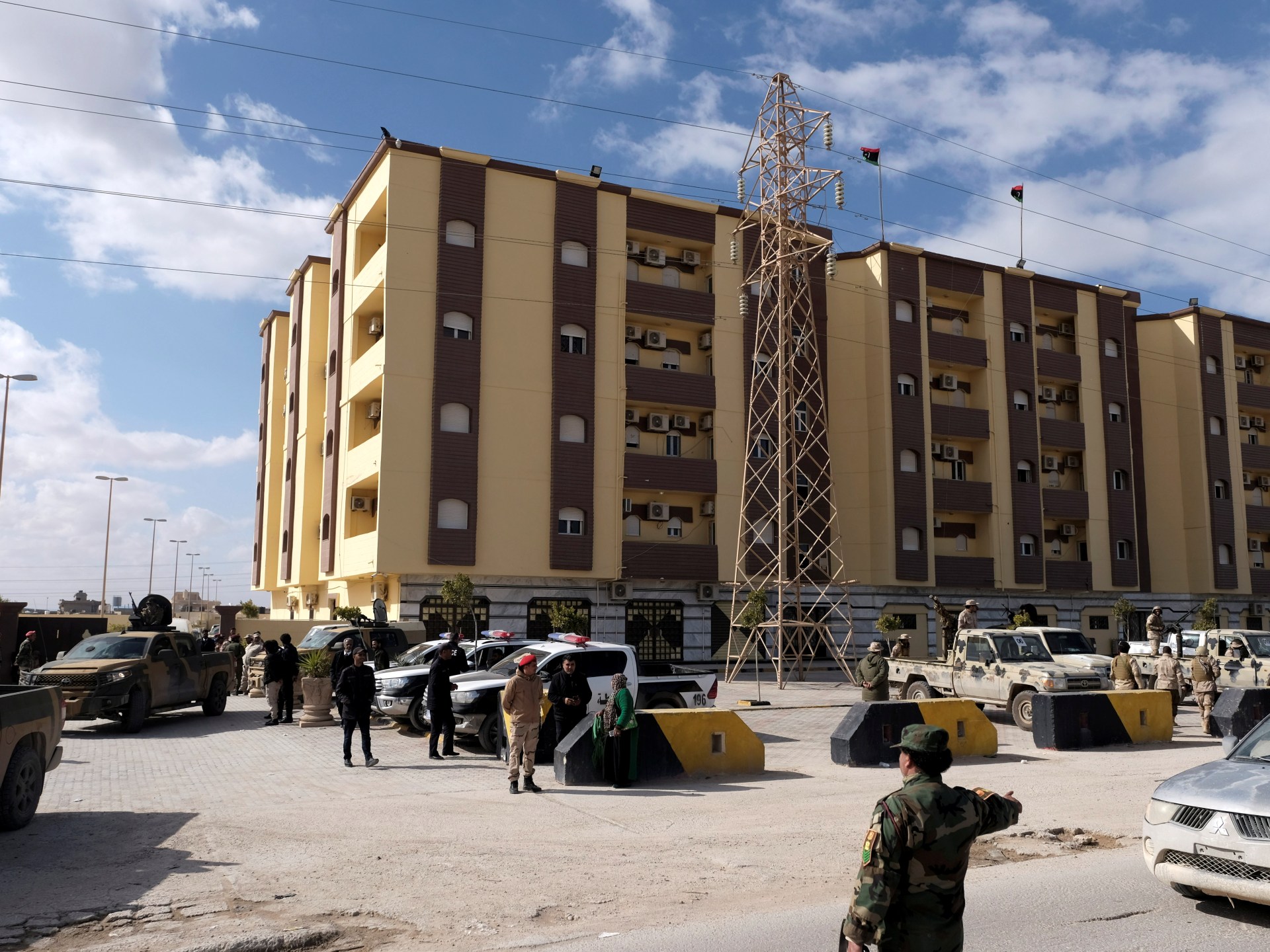
The eastern Libyan parliament's endorsement of the maritime accord represents a major development in the country's fractious political landscape, where rival governments have long contested control and legitimacy. The agreement, originally signed in 2019 between Ankara and Tripoli's Government of National Accord, delineates maritime zones in the eastern Mediterranean and has remained a flashpoint of contention between competing Libyan factions.
Haftar's Libya National Army, which controls much of eastern Libya alongside the parallel House of Representatives, had boycotted recognition of the deal since 2020 in opposition to Turkey's involvement in Libyan affairs. Haftar's forces have long resisted agreements signed by the western-based government, viewing them as illegitimate assertions of authority by a rival administration.
The parliamentary vote signals a potential thaw in the dispute, though it remains unclear whether the development will translate into broader political reconciliation. Libya has remained deeply divided since the 2011 NATO-backed uprising that toppled longtime leader Moammar Gadhafi, with competing governments and militias vying for control and international backing.
Turkey maintains strategic interests in Libya and has provided military and political support to the Tripoli-based government. The maritime agreement grants Turkey access to expanded economic zones in the Mediterranean, a region where multiple countries including Greece, Cyprus, and Egypt have competing claims to undersea resources.