World · World News Bureau
Libya's fractious rivals pursue reconciliation fifteen years after Gaddafi's fall
Libyan political factions are making fresh attempts to bridge deep divides and establish unified governance, more than a decade and a half after the collapse of Muammar Gaddafi's regime. The renewed push for dialogue marks a significant shift in a nation long fragmented by competing power centers.
LSN World News ·
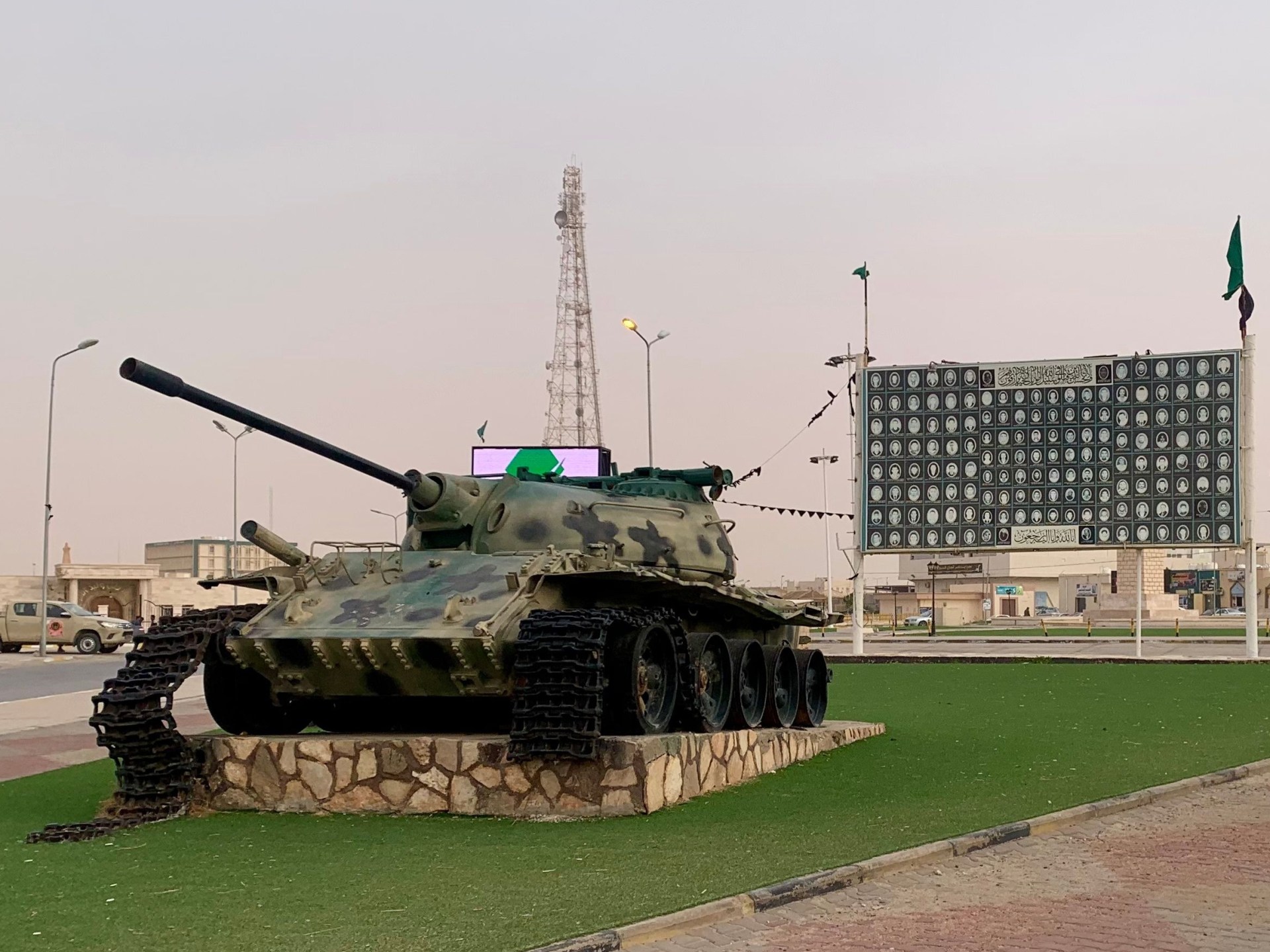
Libya's rival political groups have renewed efforts to chart a course toward national unity, a development that comes fifteen years after the 2011 fall of Tripoli and the end of Gaddafi's four-decade rule. The North African nation has since struggled with institutional fragmentation, competing administrations, and regional militias that have impeded state-building efforts and prolonged instability across the country.
The latest reconciliation initiatives represent an acknowledgment among Libyan stakeholders that continued division undermines security, economic recovery, and the establishment of legitimate state institutions. Previous unification attempts have faltered due to territorial disputes, disagreements over power-sharing arrangements, and competing claims to international recognition.
Observers note that sustained engagement among rival factions will be essential for any breakthrough to take root. The international community, including regional actors and the United Nations, has stepped up diplomatic engagement to encourage dialogue and support confidence-building measures between opposing camps.
While significant obstacles remain, including security challenges and entrenched interests, the current diplomatic momentum signals a potential opening for progress toward a more cohesive governance structure. Libya's transition will require addressing not only political reconciliation but also economic reconstruction and the reintegration of armed groups into state institutions.