Culture & Entertainment · Malaysia Bureau
Life after heart attack: Why emotional recovery matters as much as physical healing
Medical professionals are increasingly emphasizing the importance of psychological support for heart attack survivors, noting that emotional recovery is as critical as physical rehabilitation in the months following a cardiac event.
LSN Malaysia ·
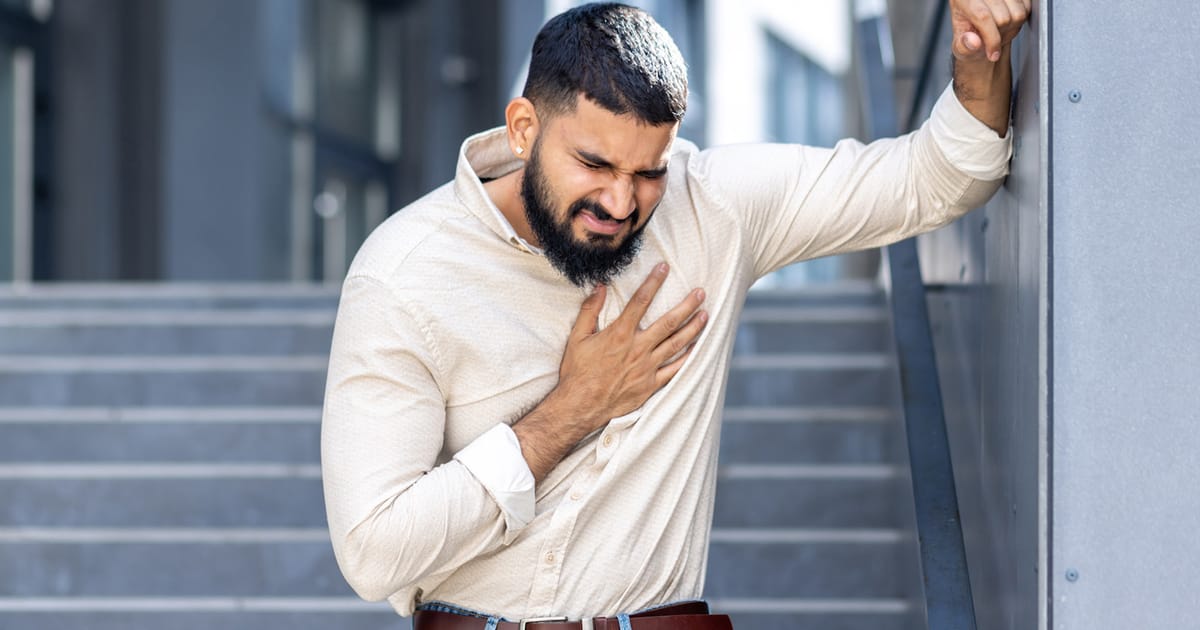
While the acute phase of a heart attack may be over once a patient leaves hospital, cardiologists and mental health experts warn that the recovery journey extends far beyond the initial medical crisis. Survivors often experience lingering anxiety, depression, and psychological distress that can significantly impede their overall wellbeing and return to normal life.
Health professionals across the region are advocating for a more holistic approach to post-heart attack care. Emotional responses to a life-threatening event are natural and common, yet they frequently go unaddressed in traditional cardiac rehabilitation programs that focus primarily on physical recovery metrics such as exercise tolerance and medication compliance.
Psychological challenges faced by survivors can include fear of another cardiac event, loss of confidence in one's body, relationship strain, and identity shifts related to lifestyle changes. These emotional barriers may prevent patients from fully engaging in rehabilitation or resuming activities, even when medically cleared to do so.
Experts recommend that cardiac rehabilitation programs incorporate mental health support alongside physical therapy, including counseling, stress management techniques, and peer support groups. Early identification and treatment of post-heart attack depression and anxiety can improve long-term outcomes and quality of life for survivors.
As awareness grows regarding the psychological dimensions of cardiac recovery, healthcare providers are encouraged to screen patients for emotional difficulties and ensure access to appropriate mental health services as part of comprehensive post-event care.