World · India Bureau
Life on Water: Inside Lagos Lagoon's Floating Communities
While wealthy nations grapple with rising sea levels and climate change, residents of Makoko in Nigeria have built thriving communities atop the Lagos Lagoon for generations. These waterborne settlements, often compared to Venice, represent both resilience and vulnerability in the face of environmental change.
LSN India ·
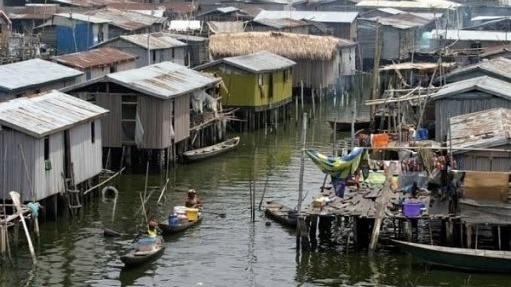
In the heart of Lagos, Nigeria, thousands of residents have constructed an entire world above water, where boats serve as the primary means of transport and wooden stilts support homes and businesses. The sprawling settlement of Makoko, often dubbed 'Africa's Venice,' stands as a testament to human ingenuity in adapting to challenging environments. What began centuries ago as a fishing community has evolved into a densely populated informal settlement that houses an estimated 100,000 people.
While developed nations worldwide express concern over rising sea levels and the impacts of global warming on coastal infrastructure, the residents of Makoko have already engineered their existence around aquatic living. Children paddle to school in wooden canoes, merchants operate floating markets, and families maintain homes constructed entirely on water. The community relies on a complex network of wooden platforms and boats that have become the foundation of daily life.
However, the settlement's existence remains precarious. Makoko lacks formal infrastructure, including reliable access to clean water, electricity, and healthcare services. The community faces ongoing threats from environmental degradation, including pollution and erosion, alongside pressure from urban development projects. Despite these challenges, residents continue to maintain their way of life, balancing tradition with the modern pressures of Nigeria's rapidly expanding megacity.
The contrast between Makoko's water-dependent existence and the climate anxieties of wealthier nations underscores a broader global inequality. As developed economies debate climate adaptation strategies, communities like Makoko have already become pioneers of water-based living, driven not by choice but by circumstance and historical settlement patterns. Their innovative approaches to surviving in flood-prone areas offer valuable lessons, even as they struggle to secure basic services and formal recognition from authorities.