World · Malaysia Bureau
Life sciences graduates face employment challenges in Malaysia
Many Malaysian graduates with life sciences qualifications are struggling to secure jobs directly aligned with their degrees upon entering the workforce. Industry experts say the disconnect between academic training and employment opportunities requires urgent attention.
LSN Malaysia ·
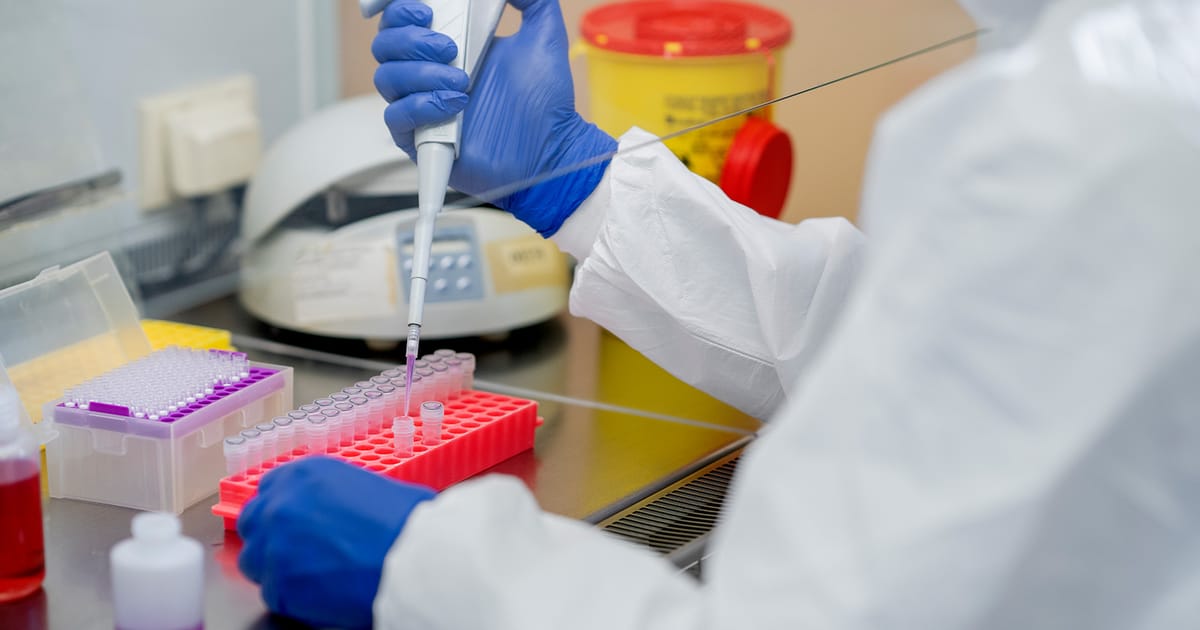
A growing number of life sciences graduates in Malaysia are discovering that completing their tertiary education does not automatically translate into employment within their field of study. The mismatch between the skills employers seek and what graduates possess has created a bottleneck in the employment pipeline, leaving many degree holders underutilised or working in unrelated sectors.
The challenge reflects broader structural issues within Malaysia's life sciences ecosystem. While the country has invested in expanding higher education programmes in biotechnology, pharmaceuticals, and related fields, corresponding job creation in these sectors has not kept pace with graduate output. This imbalance has forced many qualified professionals to accept positions outside their training or pursue further studies abroad.
Educational institutions and industry stakeholders acknowledge that curriculum development must better align with market demands. Enhanced collaboration between universities and employers could improve internship opportunities, provide clearer pathways into specialised roles, and equip students with practical experience during their studies.
The situation underscores Malaysia's broader aspiration to develop a competitive life sciences sector. Addressing the graduate employment gap will be critical to retaining talent domestically and building the skilled workforce necessary to support the country's biotechnology and pharmaceutical ambitions.