World · World News Bureau
LinkedIn cracks down on AI-generated content flooding professional network
The professional networking platform is taking steps to discourage the proliferation of artificial intelligence-written posts, reflecting growing user frustration with algorithmic content dominating feeds. The move signals broader concerns about authenticity in digital workspaces.
LSN World News ·
LinkedIn, the world's largest professional networking platform, is implementing measures to reduce the visibility of artificially generated content on its network, responding to user complaints about an influx of AI-written posts clogging feeds and diminishing engagement quality.
The platform has identified a pattern of users employing generative AI tools to compose professional updates, motivational messages, and industry commentary, often with telltale linguistic markers that reveal their algorithmic origins. The proliferation of such content has prompted LinkedIn to adjust its content ranking algorithms to deprioritize posts flagged as likely AI-generated, limiting their distribution across users' networks.
The action underscores a tension within social media platforms between accommodating emerging technologies and preserving user experience integrity. Professional networks rely heavily on authentic engagement and genuine human connection as core value propositions, making the saturation of machine-generated content particularly problematic compared to consumer-focused platforms.
LinkedIn's approach mirrors similar efforts across the technology industry to manage AI content, though the platform has stopped short of implementing outright bans. The company has indicated that while AI tools can assist in content creation, posts primarily generated by algorithms—rather than reflecting genuine professional insights—will receive reduced algorithmic promotion. The measure reflects evolving platform policies as companies navigate the challenges posed by increasingly sophisticated generative AI capabilities.
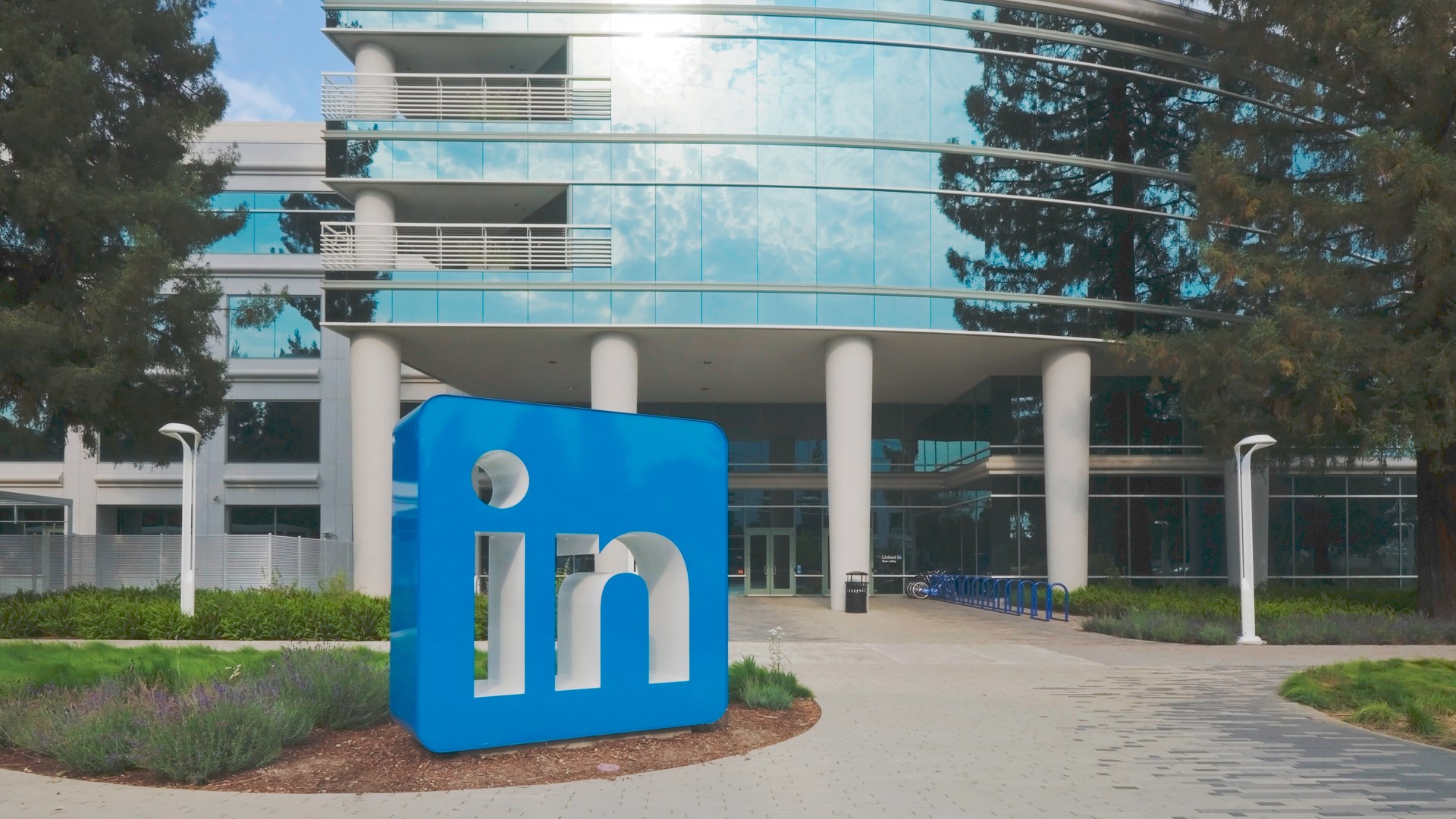
Photo: LinkedIn headquarters in Sunnyvale, California, September 2017. LPS.1 via Wikimedia Commons (CC0).