World · India Bureau
Linnaeus's Insight on Biodiversity Remains Relevant to Modern Science
The 18th-century naturalist's observations on the vast differences between living organisms continue to inform contemporary understanding of biological classification and species diversity.
LSN India ·
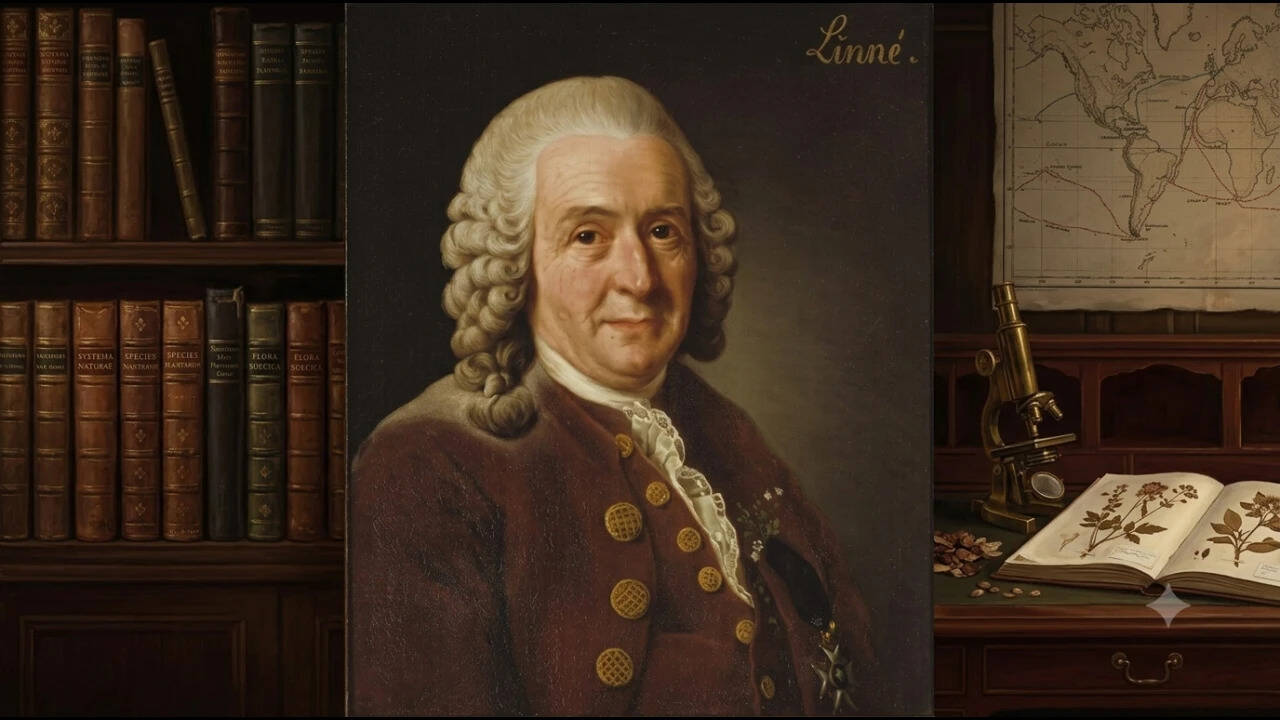
Carl Linnaeus, the Swedish botanist and zoologist who revolutionized biological taxonomy, recognized early in his career the profound variations among Earth's living creatures. His work establishing a hierarchical system of plant and animal classification laid the foundation for modern scientific nomenclature and continues to shape how researchers catalogue and understand biodiversity across the globe.
Linnaeus's systematic approach to organizing nature emerged from decades of meticulous observation and documentation. His binomial nomenclature—assigning each organism a genus and species name—provided a universal language that transcended linguistic and geographical barriers, enabling scientists worldwide to communicate with precision about specific organisms.
The naturalist's methods proved particularly valuable in regions of high biological diversity, including parts of South and Southeast Asia, where countless species awaited scientific classification. His framework allowed researchers to identify patterns in nature and recognize relationships between seemingly disparate organisms.
More than two centuries after Linnaeus's death, his taxonomic system remains the international standard in biology. Modern geneticists and field researchers continue to build upon his foundational work, using both traditional morphological analysis and contemporary molecular techniques to refine our understanding of species classification and evolutionary relationships. The relevance of his insights underscores the enduring value of systematic observation in scientific inquiry.