World · India Bureau
Liver's Self-Healing Ability Limited Beyond Critical Stage, Experts Warn
Rising cases of liver disease in India, particularly fatty liver disease, reflect the impact of poor diet and sedentary lifestyles. While the liver possesses a remarkable capacity for self-repair, medical experts caution that this regenerative ability becomes severely compromised once the organ reaches advanced stages of damage.
LSN India ·
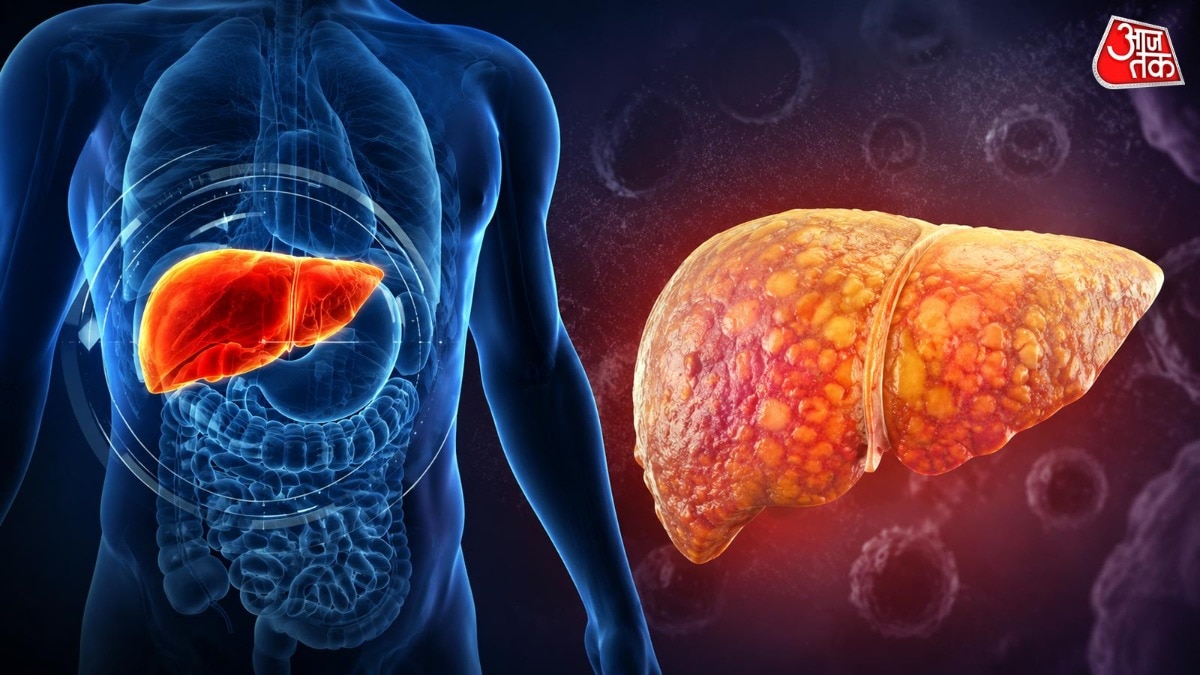
Liver diseases are proliferating across India at an alarming rate, with fatty liver disease now emerging as a common health concern among the population. The surge is primarily attributed to dietary habits and lifestyle choices that increasingly deviate from healthy practices, placing significant strain on hepatic function.
The human liver possesses a unique biological capacity known as liver regeneration, which allows it to repair and restore itself following various forms of damage or injury. This self-healing mechanism has long been recognized by medical professionals as one of the organ's most distinctive features, enabling recovery even after partial loss of tissue.
However, medical experts emphasize a critical limitation to this regenerative potential. Once liver disease progresses to advanced stages—typically characterized by cirrhosis or extensive fibrosis—the organ's ability to repair itself diminishes substantially. At these later disease stages, the structural damage becomes largely irreversible, significantly complicating treatment options and patient outcomes.
The distinction between early and late-stage liver disease underscores the importance of early detection and preventive care. Addressing risk factors such as diet quality and physical activity levels during the initial phases of liver disease may enable the organ to leverage its natural regenerative capacity before irreversible damage occurs.