World · India Bureau
London's subway excavation soil revives Essex bird sanctuary
Over three million tonnes of soil from London's Elizabeth line project has been repurposed to restore coastal wetlands on Wallasea Island in Essex. The reclaimed RSPB reserve now hosts nearly 40,000 wintering birds, marking a decade of ecological recovery.
LSN India ·
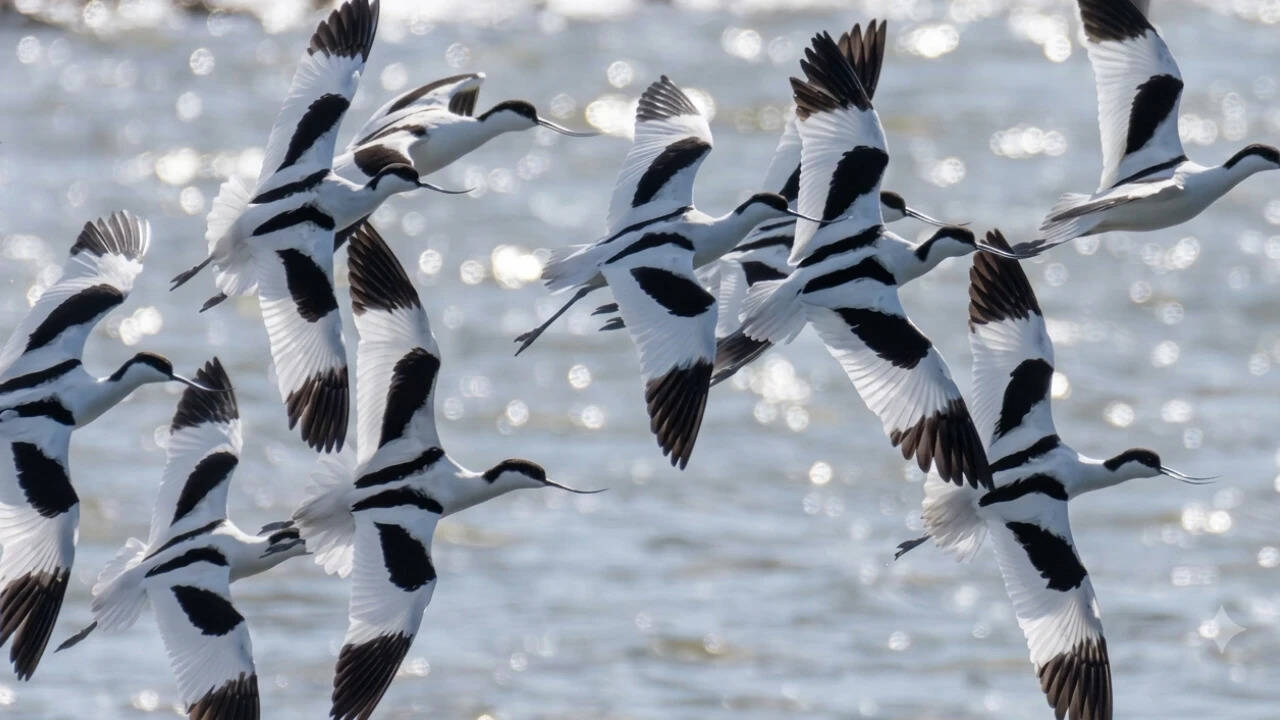
Soil excavated during construction of London's Elizabeth line has found new purpose in restoring one of Britain's most important bird habitats. More than three million tonnes of material was transported to Wallasea Island in Essex, where it was used to rebuild coastal wetlands following the controlled breach of protective seawalls a decade ago.
The restoration project has yielded remarkable results. The RSPB-managed reserve recently recorded its highest winter bird count on record, with approximately 39,000 birds documented during the latest season. The dramatic recovery reflects the ecological value of the reclaimed wetland habitat.
The wintering population includes significant numbers of migratory waders and water birds. Among the species recorded are thousands of Knot, Avocets, Grey Plovers and Bar-tailed Godwits, many of which travel from Arctic breeding grounds to winter in the Essex estuary. The reserve has become a critical stopover point in their annual migration cycle.
The project demonstrates how large-scale urban infrastructure developments can support environmental restoration. By repurposing excavation materials rather than disposing of them in landfills, the Elizabeth line construction created an opportunity to recreate natural habitats while addressing coastal erosion challenges. The success of Wallasea Island suggests potential for similar partnerships between development projects and conservation initiatives across the region.