Culture & Entertainment · India Bureau
Lost 17th-century artist Michaelina Wautier restored to prominence after centuries
An art historian's 1993 discovery sparked a decades-long effort to reclaim the legacy of Michaelina Wautier, a 17th-century painter whose works were systematically misattributed to male artists. A major retrospective at London's Royal Academy in 2026 marks the culmination of efforts to restore her rightful place in art history.
LSN India ·
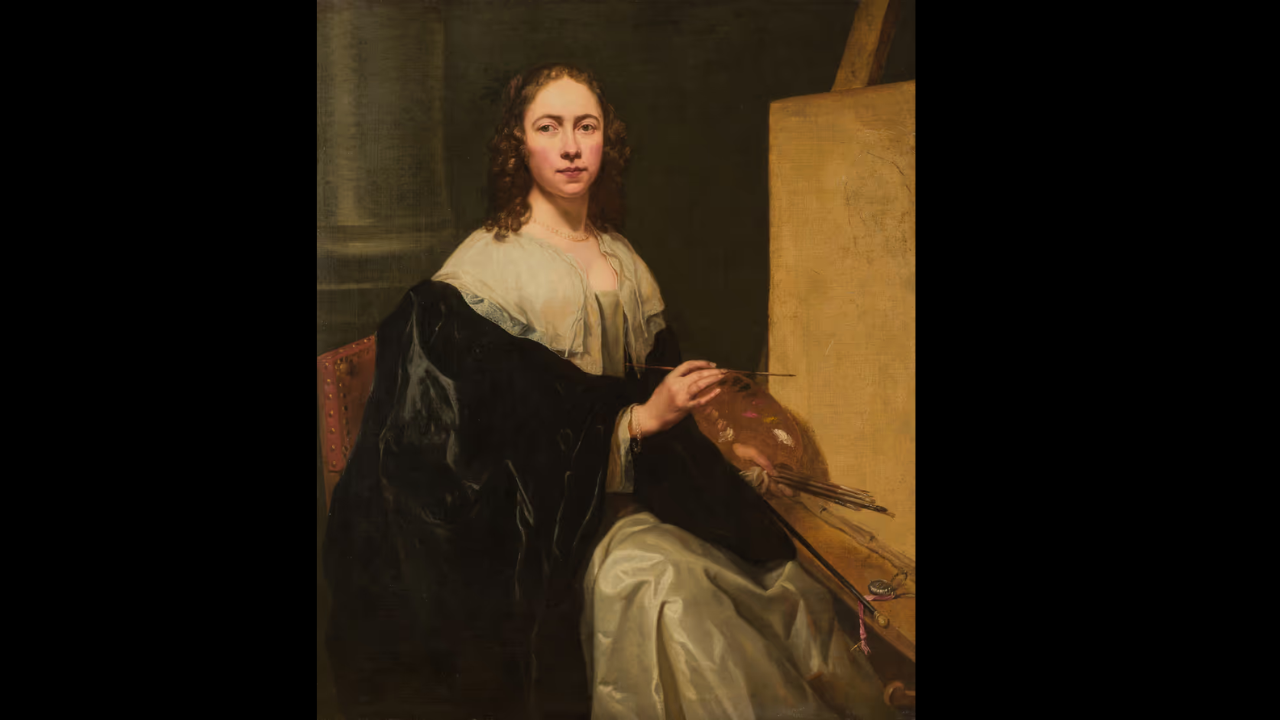
The rediscovery of Michaelina Wautier represents one of art history's most significant recoveries, correcting centuries of attribution errors that obscured the contributions of the accomplished Flemish painter. An art historian's initial find in 1993 initiated a painstaking process to identify and authenticate works that had been lost or wrongly credited to male contemporaries throughout the centuries that followed her death.
The pivotal moment in Wautier's rehabilitation came in 2020 with the recovery of her 'The Five Senses' series, a landmark discovery that provided concrete evidence of her mastery and distinctive artistic vision. The recovery of this substantial body of work fundamentally altered scholarly understanding of her output and technical sophistication, establishing her as a major artistic figure rather than a historical footnote.
Wautier's struggle for recognition reflects broader patterns in art historical scholarship, where women artists faced persistent erasure and misattribution despite producing work of considerable merit and originality. Her 17th-century career was remarkable for its productivity and ambition during a period when women faced severe restrictions on artistic training and professional opportunities.
The 2026 exhibition at London's Royal Academy represents official institutional recognition of Wautier's significance and provides an opportunity to examine her complete body of work in its proper context. The retrospective is expected to draw scholarly attention to other overlooked artists of the period and may prompt further reassessment of museum collections and historical records.