World · India Bureau
Lost ancestral land documents? Here's how to recover ownership records
Property owners who have misplaced or lack documentation for inherited land can recover critical ownership details through existing revenue records. Multiple government documents can help re-establish land ownership claims without original papers.
LSN India ·
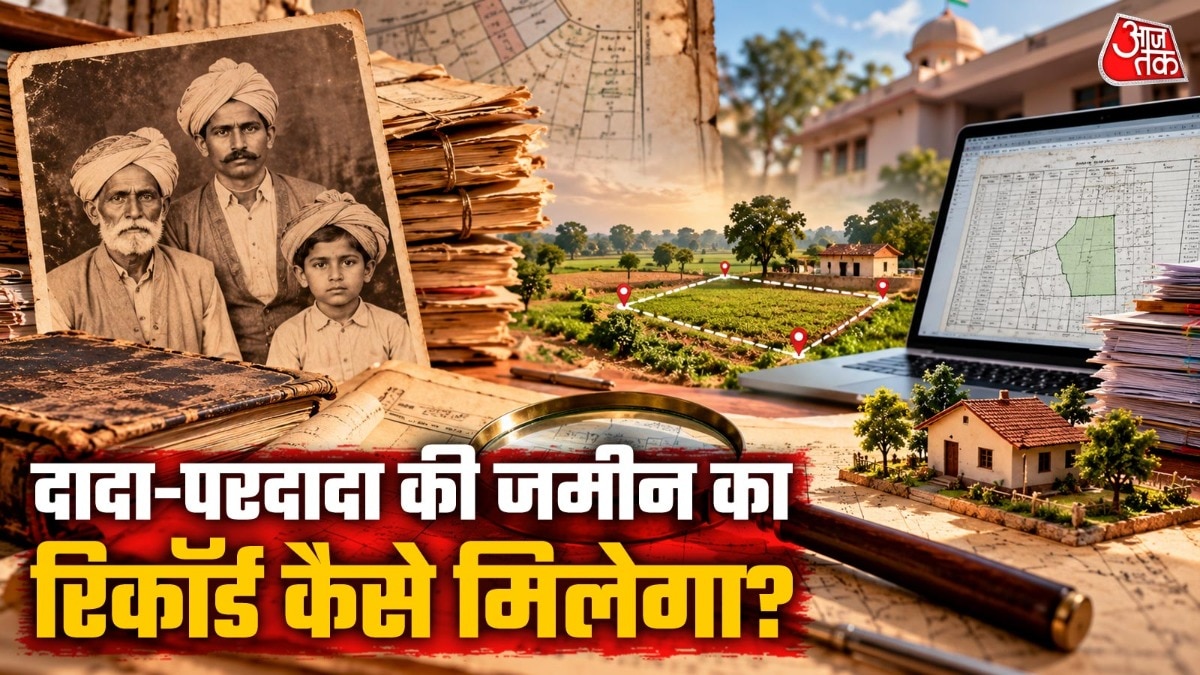
Landowners facing the loss of ancestral property documents need not despair, as India's land record systems provide alternative pathways to recover ownership information. When original papers for inherited land have gone missing or were never obtained, several official documents maintained by revenue authorities can help re-establish and verify land ownership details.
Key government records that can assist in recovering land information include bhulekh (digital land records), khatoni (tenant records), jamabandi (revenue account records), registry documents, and namechange transfer records. These documents, maintained across various revenue departments and registrar offices, collectively provide comprehensive proof of land ownership and historical transaction details.
Property owners seeking to recover lost documentation should begin by visiting their local revenue office or tahsil, where officials can conduct searches across multiple record systems. The bhulekh system, which digitises historical land records in many Indian states, has made retrieving ancestral property information more accessible than ever before.
Additionally, registered property transactions filed at the sub-registrar's office create permanent records that can be referenced to establish ownership chains. Even without original deeds, these cross-referenced official documents can substantiate legitimate ownership claims and facilitate necessary legal transfers or property transactions.