World · India Bureau
LPG connections surge in rural India, yet cooking smoke persists
A new study reveals that despite expanded LPG distribution programmes, only a quarter of rural Indian households rely entirely on clean cooking fuel. High refill costs and weak delivery networks undermine efforts to eliminate traditional biomass use.
LSN India ·
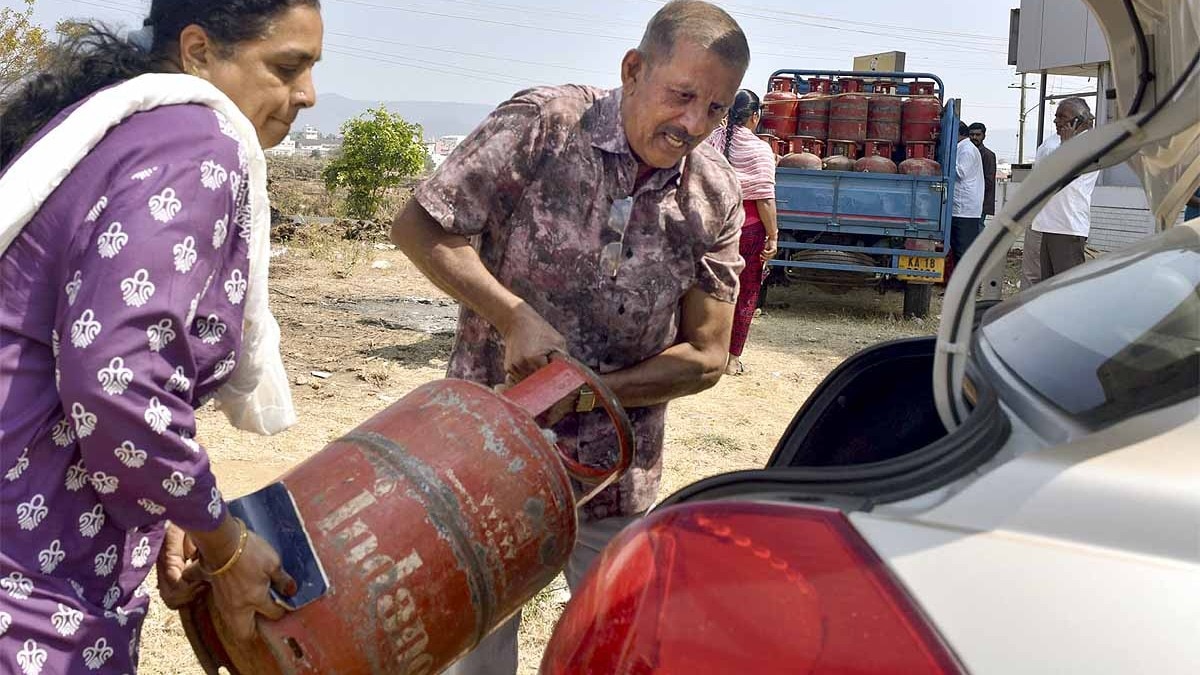
Rural India's transition to cleaner cooking fuels remains incomplete despite a significant expansion of liquefied petroleum gas connections, according to research from the Council on Energy, Environment and Water (CEEW). The study found that just 23 percent of rural families depend entirely on LPG for their kitchen needs, pointing to persistent gaps between infrastructure provision and actual usage patterns.
While government programmes have substantially increased the number of LPG connections reaching rural households, the benefits have not translated into widespread adoption of clean cooking practices. Researchers identified two primary barriers limiting the effectiveness of these initiatives: the cost of fuel refills and inadequate delivery mechanisms that make it difficult for households to access cylinders reliably.
The findings suggest that measuring success through connection numbers alone masks the reality of household energy choices in rural areas. Many families maintain traditional biomass-based cooking methods, such as wood and dung fuel, alongside their LPG connections due to affordability concerns and practical constraints. This dual-fuel approach perpetuates indoor air pollution, contributing to significant health risks in rural communities.
Experts emphasize that achieving tangible improvements in rural air quality requires a shift in focus from expanding connectivity to ensuring sustained, affordable access to clean fuel. Policymakers must address the economic burden of regular refills and strengthen the logistics infrastructure that underpins LPG distribution networks to accelerate the transition away from traditional cooking fuels.