World · World News Bureau
Lula emerges as counterweight to Latin America's rightward political shift
Brazil's president has become a standard-bearer for the global left as conservative and far-right movements gain momentum across Latin America. His return to power represents a potential brake on the region's ideological trajectory.
LSN World News ·
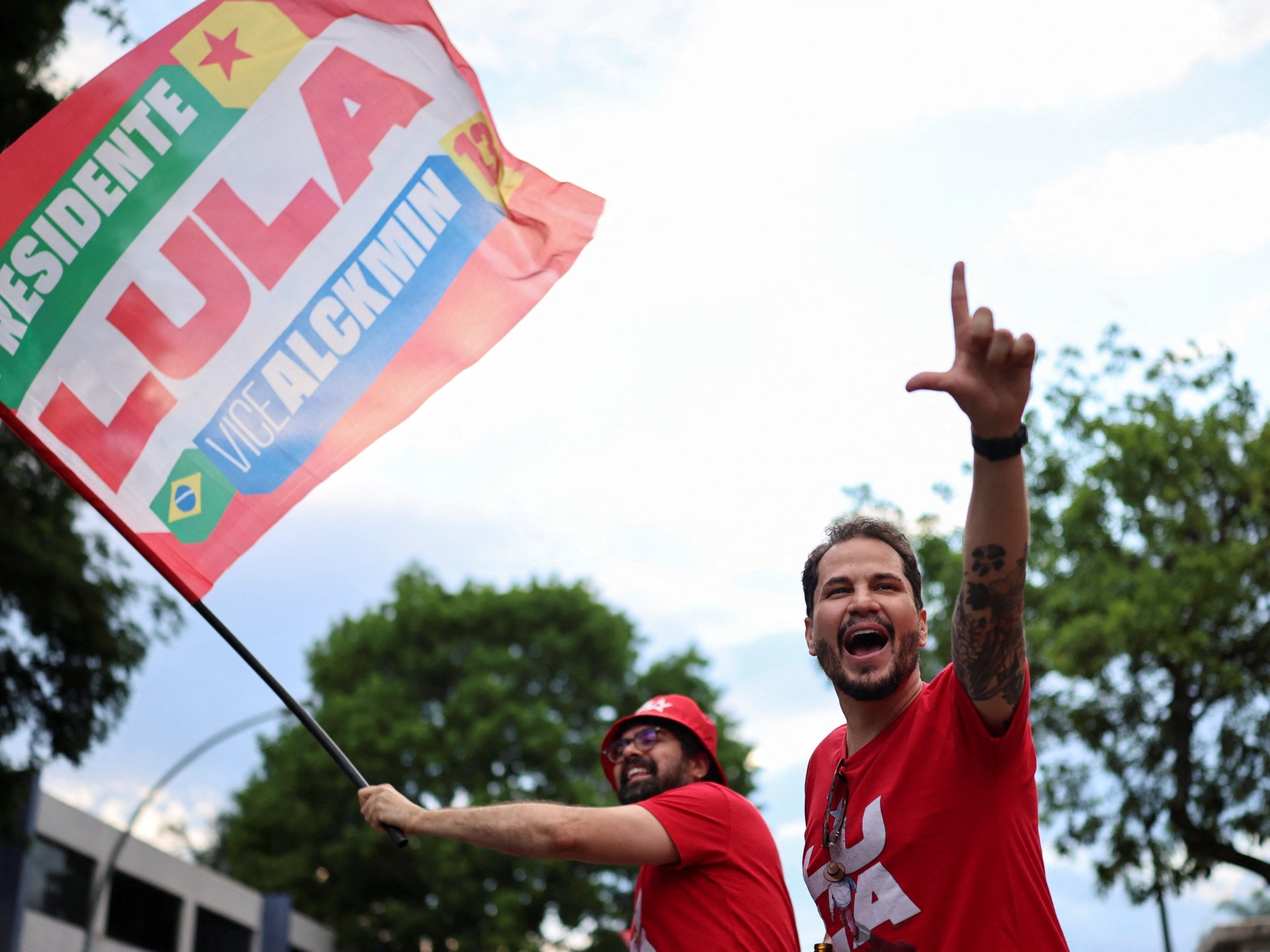
The resurgence of Luiz Inácio Lula da Silva to Brazil's presidency has positioned the veteran leftist leader as a symbolic counterforce to a broader conservative tide sweeping across Latin America. With right-wing and far-right administrations consolidating power in multiple countries across the region, Lula's comeback has been widely interpreted by progressive movements as evidence that the leftward retreat is not inevitable.
Lula's political comeback carries particular symbolic weight given his history as a trade union organizer and founding member of the Workers' Party. His previous administration, which ended in 2010, is remembered by supporters for expanding social programs and lifting millions from poverty. His imprisonment on corruption charges, later annulled by Brazil's Supreme Court, and subsequent conviction reversal cemented his standing among global progressive circles as a figure persecuted for his political beliefs.
The broader Latin American political landscape has shifted considerably in recent years, with conservative governments in Chile, Argentina, and other nations implementing free-market policies and rolling back social initiatives. Lula's electoral victory in 2022 offered encouragement to left-leaning movements seeking to reverse these trends, though his ability to influence developments beyond Brazil's borders remains limited.
Analysts caution that Lula's presidency alone cannot stem the region's ideological currents, which are rooted in economic conditions, inflation concerns, and public dissatisfaction with incumbent administrations. Nevertheless, his leadership is expected to influence regional diplomatic initiatives and provide a platform for articulating progressive policy alternatives within Latin America's increasingly polarized political environment.