World · India Bureau
Lunar Eclipse Coincides with Raksha Bandhan; No Impact on Indian Observances
A lunar eclipse on August 28 will occur on the same day as Raksha Bandhan, but will not be visible from India, meaning traditional eclipse restrictions will not apply. Indians celebrating the festival domestically can observe rituals without any astronomical constraints.
LSN India ·
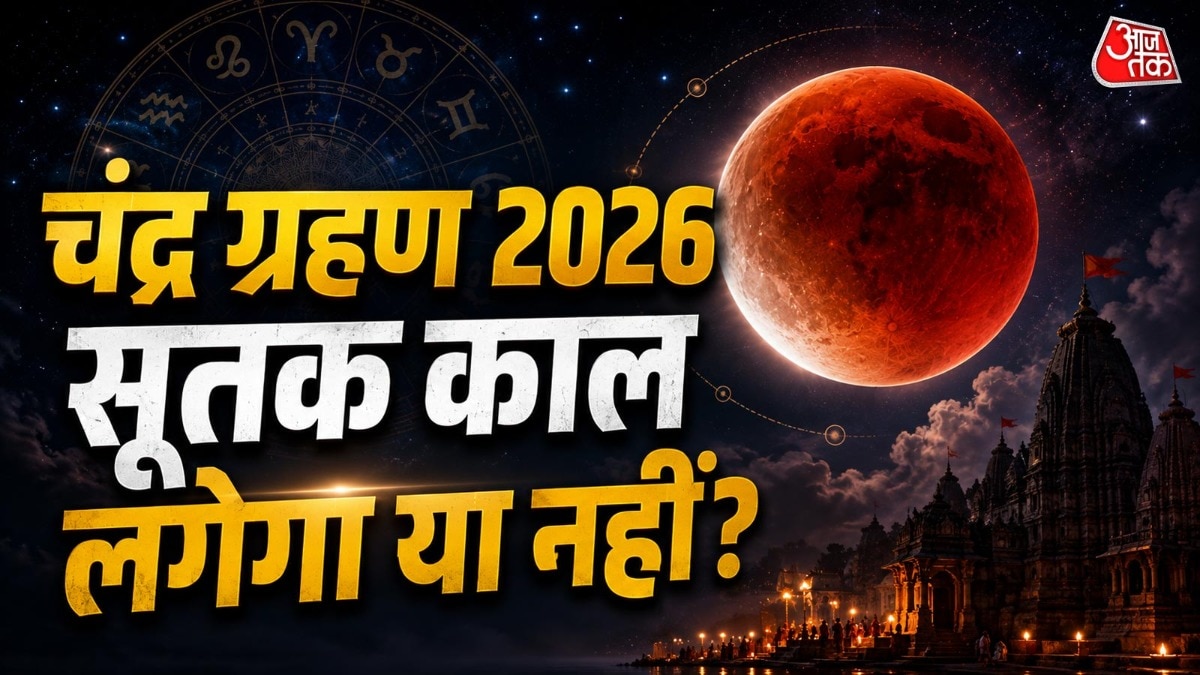
A lunar eclipse scheduled for August 28 will align with Raksha Bandhan, one of India's most significant festivals celebrating the bond between siblings. However, astronomers confirm the eclipse will not be visible from Indian territory, negating the need for traditional eclipse-related prohibitions known as 'sutak' in Hindu practice.
In regions where the eclipse is visible, the sutak period—typically observed as a time to avoid religious activities—would normally commence several hours before the celestial event. Since India falls outside the eclipse's visibility zone, temples will remain open for worship and families can perform Raksha Bandhan rituals without any restrictions or modifications to their schedules.
Indians residing abroad in areas where the lunar eclipse will be visible should adhere to customary religious practices associated with eclipses in those locations, according to traditional guidelines. The festival's core observances—tying rakhi threads and exchanging gifts—will proceed normally across the country unaffected by the astronomical occurrence.
Astronomical events occasionally coincide with major Hindu festivals, occasionally creating concerns about ritual disruptions. This instance exemplifies how geographical positioning determines whether such celestial phenomena impact religious observances, with India's position ensuring no practical implications for the vast majority of Raksha Bandhan celebrations nationwide.