World · Singapore Bureau
Luxury sector faces headwinds as Chinese consumers pull back spending
High-end fashion and jewellery brands are confronting a significant slowdown in demand across China, as both affluent customers and aspirational shoppers curtail purchases. The pullback signals deepening economic challenges in a market long considered crucial for luxury goods growth.
LSN Singapore ·
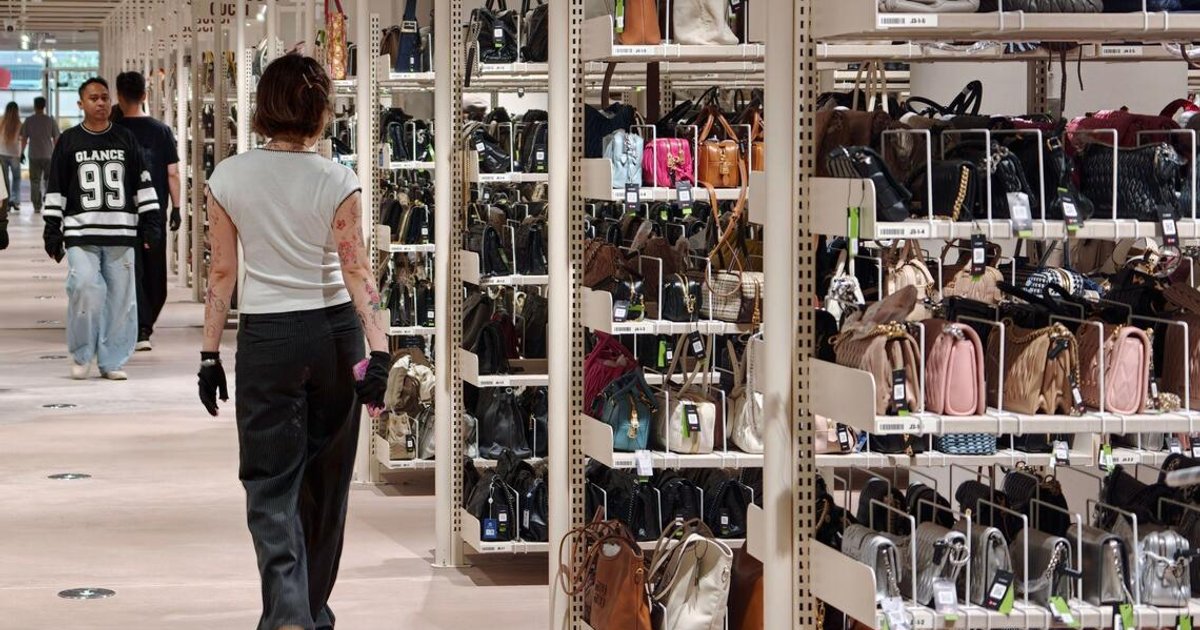
Premium brands including Hermès and Cartier are experiencing a notable contraction in sales as Chinese consumers—traditionally a pillar of global luxury demand—reduce discretionary spending across jewellery, handbags, and accessories.
The spending retreat spans multiple consumer segments. Wealthy individuals who historically drove high-volume purchases are being more selective, while middle-class aspirational shoppers who fuelled growth in recent years are also tightening budgets. This dual contraction represents a significant departure from China's reputation as an engine of luxury consumption.
The slowdown reflects broader economic pressures within China's consumer sector, including persistent concerns about employment, property values, and household wealth. These factors have prompted consumers across income levels to reassess discretionary purchases, creating headwinds for international luxury conglomerates dependent on Chinese market revenues.
Industry analysts point to the weakness as indicative of deeper structural challenges facing China's economy beyond cyclical fluctuations. The sustained nature of reduced spending suggests luxury brands may need to adjust their business models and regional strategies to account for prolonged softness in Chinese demand.
The contraction has prompted luxury groups to explore diversification and cost-management strategies, though many remain heavily exposed to China's consumer health through their retail networks and customer bases across the region.