Politics · India Bureau
Lyngdoh Panel's 2006 Report Resurfaces in Campus Election Row
The Lyngdoh Committee report, submitted nearly two decades ago, has gained fresh relevance amid student protests over campus governance. The panel had recommended curbing political party affiliations in student organisations to preserve electoral integrity.
LSN India ·
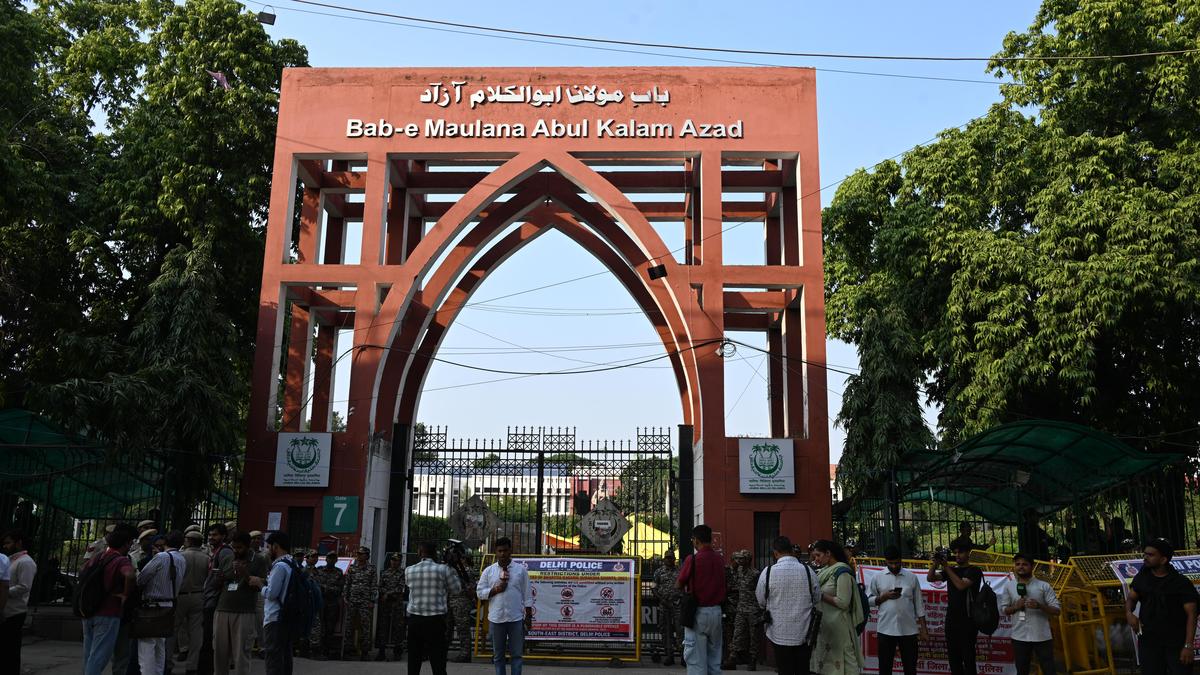
A landmark report by the Lyngdoh Committee has resurfaced in ongoing discussions about student elections and campus politics, particularly following recent protests at Jamia Millia Islamia. Headed by former Chief Election Commissioner J.M. Lyngdoh, the committee submitted its findings on May 23, 2006, examining the relationship between political parties and student organisations operating on university campuses.
The committee's core concern centred on how student bodies with direct links to national political parties were fragmenting the student body into competing factions. According to the report, such affiliations compromised the electoral process and transformed campus elections into extensions of external political contests rather than vehicles for addressing institutional issues.
The Lyngdoh Committee recommendations advocated for stricter regulations to ensure student organisations operate independently of party patronage. The panel argued that depoliticising student unions would create a more equitable campus environment and strengthen democratic participation based on local institutional interests rather than ideological alignments.
Nearly 20 years after its submission, the committee's observations continue to inform debates on student governance and electoral autonomy in Indian universities. The resurgence of the report in current discourse underscores the persistent tensions between institutional autonomy and external political influence in higher education spaces.