Politics · Malaysia Bureau
MA63 demands not separatism, says former Sabah chief minister
Former Sabah chief minister Salleh Tun Said has pushed back against characterisations of the state's constitutional demands as separatist, framing them instead as legitimate regional concerns in an era of rising global regionalism.
LSN Malaysia ·
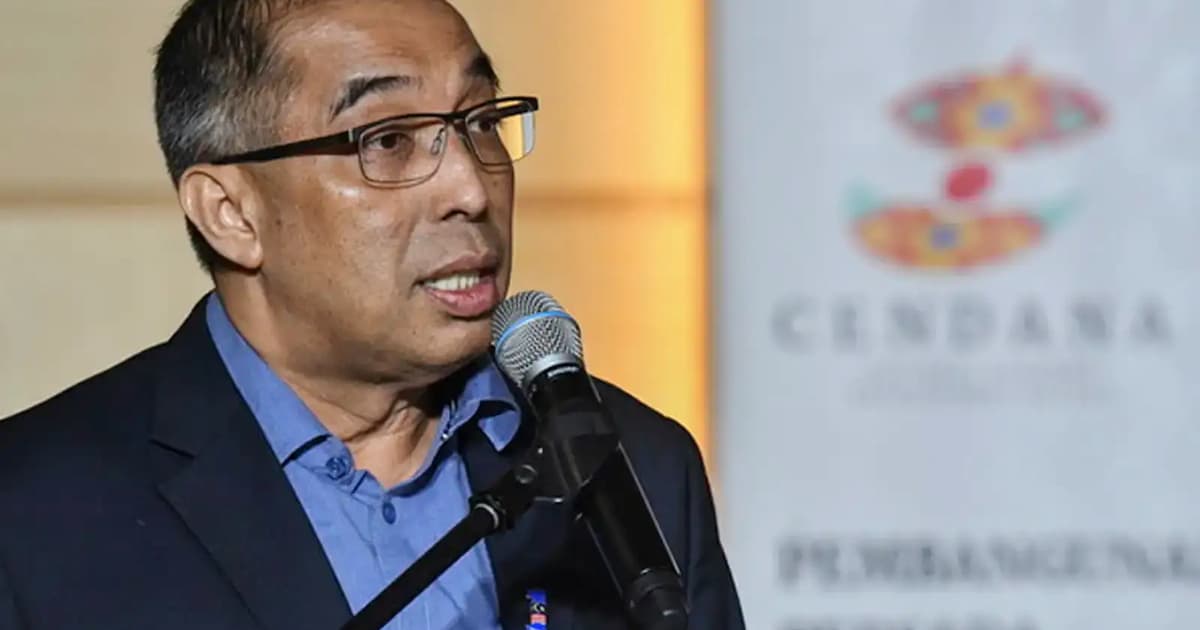
Salleh said the push by Sabah and Sarawak for greater recognition of their constitutional rights under the Malaysia Agreement 1963 (MA63) reflects genuine anxieties about resource sharing and regional autonomy rather than any secessionist intent.
Pointing to a broader international trend of regionalism gaining traction in global politics, the veteran politician argued that such movements were increasingly common worldwide. He contended that the two East Malaysian states were simply seeking to protect their interests within the federal framework.
The MA63 demands have long centred on issues including control over immigration, tax revenue distribution, and land and resource management—matters the two states say were guaranteed under the original agreement that saw them join the Malaysian federation in 1963. State leaders have repeatedly emphasised their commitment to Malaysia while advocating for a more equitable balance of power.
Salleh's remarks come amid ongoing discussions about the constitutional settlement between the peninsula and East Malaysia, a perennial issue in Malaysian politics that occasionally generates friction between federal and state governments.