World · India Bureau
Madhya Pradesh Pilots 'Right to Recall' For Elected Officials
Madhya Pradesh has conducted India's first recall elections in Niwari, introducing a mechanism that allows constituents to remove elected representatives mid-term. The initiative raises questions about how such a democratic tool could reshape India's electoral landscape.
LSN India ·
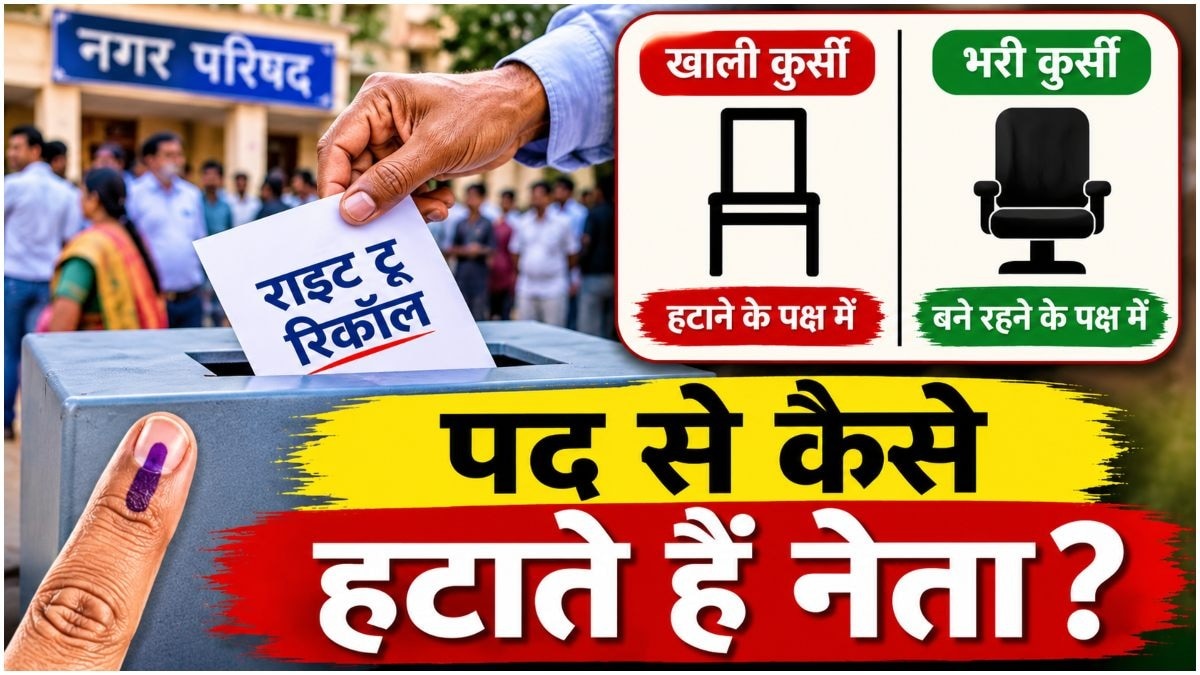
Madhya Pradesh has become the first Indian state to implement 'Right to Recall' elections, with the process tested in the Niwari constituency. This mechanism enables voters to remove an elected representative from office before the completion of their full term if they believe the official has failed to meet constituent expectations or electoral promises.
Under the Right to Recall framework, constituents can petition for a recall election by gathering signatures from a specified proportion of registered voters—typically around 25 percent or more, depending on the rules set by individual states. Once sufficient signatures are collected and verified, a recall election is triggered, giving voters the opportunity to decide whether the incumbent should remain in office.
If a recall election is held and voters choose to remove the representative, the seat becomes vacant and fresh elections are conducted to fill the position. This mechanism differs from the standard removal procedures, which typically require legislative action through impeachment or other formal processes, and provides direct democratic control to voters between regular electoral cycles.
Proponents argue that Right to Recall strengthens democratic accountability by making elected officials more responsive to constituent needs and discouraging poor governance. Critics, however, contend that frequent recall petitions could create political instability, distract representatives from their work, and be weaponized by opposing political factions.
The Madhya Pradesh pilot program is seen as a significant step in exploring direct democratic tools in India. The outcomes and lessons from this initiative could influence whether other states consider adopting similar mechanisms and how such systems might be refined for broader implementation across the country's diverse electoral framework.