Politics · India Bureau
Madras High Court Bar Association challenges 60-year-old English language ruling
The Madras High Court Advocates Association has questioned a 1965 Union Cabinet decision mandating English as the official language for proceedings in the Supreme Court and all High Courts. The decision remained obscure until details emerged through a Right to Information query.
LSN India ·
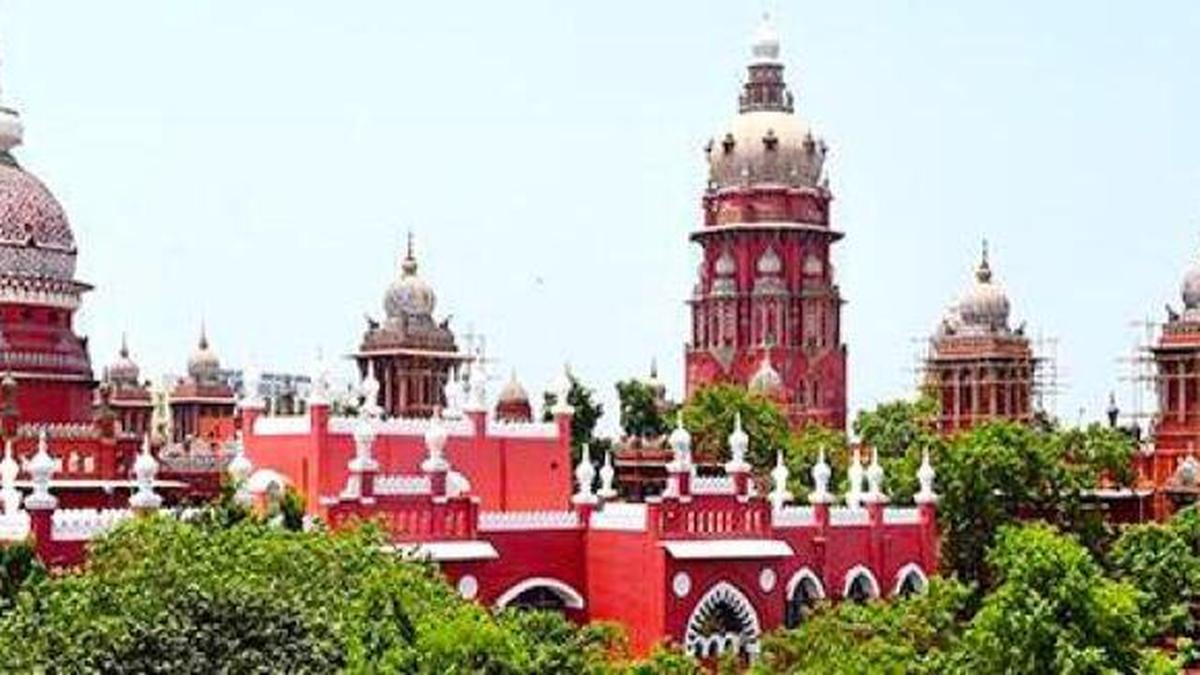
The Madras High Court Advocates Association has mounted a challenge against a decades-old Union Cabinet resolution that cemented English as the common language for judicial proceedings across India's superior courts. The 1965 decision, which established English as the working language for the Supreme Court and all High Courts, came to public attention in 2025 when a lawyer obtained specifics through the Right to Information Act.
According to the association, the Cabinet resolution had remained largely unknown to legal practitioners and the judiciary for nearly six decades, raising questions about the transparency of the decision-making process. The discovery through RTI channels highlights how significant administrative decisions affecting the judicial system's functioning can remain inaccessible to stakeholders for extended periods.
The challenge by the bar association reflects ongoing debates within India's legal community regarding language accessibility in courts. While English has served as a unifying language across India's multi-lingual judicial system, critics argue that restricting court proceedings to a single language may hinder access to justice for citizens more comfortable in regional languages.
The association's intervention comes amid broader discussions about the implementation of trilingual provisions in Indian courts and the constitutional recognition of Hindi and regional languages. The case is expected to reignite debate on balancing linguistic uniformity in the judicial system with the constitutional commitment to linguistic diversity and citizens' right to understand proceedings in their native languages.