Politics · India Bureau
Madras High Court rules hungry customers won't distinguish similar restaurant names
In a trademark dispute, the Madras High Court has held that hungry diners are unlikely to differentiate between similarly named establishments, citing traditional Tamil wisdom about the nature of hunger.
LSN India ·
The Madras High Court has delivered a judgment in a trademark case that hinges on a fundamental principle: when customers are hungry, they are unlikely to carefully distinguish between similar restaurant names. Justice P.B. Balaji, delivering the ruling, drew upon classical Tamil literature and local idioms to support the court's reasoning.
The judge quoted a well-known statement attributed to Tamil poetess Avvaiyar, which translates to "hunger makes one swallow food hastily," to illustrate how the urgency of hunger affects consumer behaviour. The court also invoked the Tamil idiom "Pasi Kanna Kattuthu," which reflects the colloquial understanding that hunger clouds judgment.
The judgment underscores a legal principle applicable to trademark disputes: the likelihood of confusion between competing brands must consider real-world consumer behaviour, particularly when the goods or services involved appeal to customers in specific states of need or urgency. The court's decision reflects how Indian jurisprudence increasingly incorporates cultural and linguistic insights into commercial law interpretations.
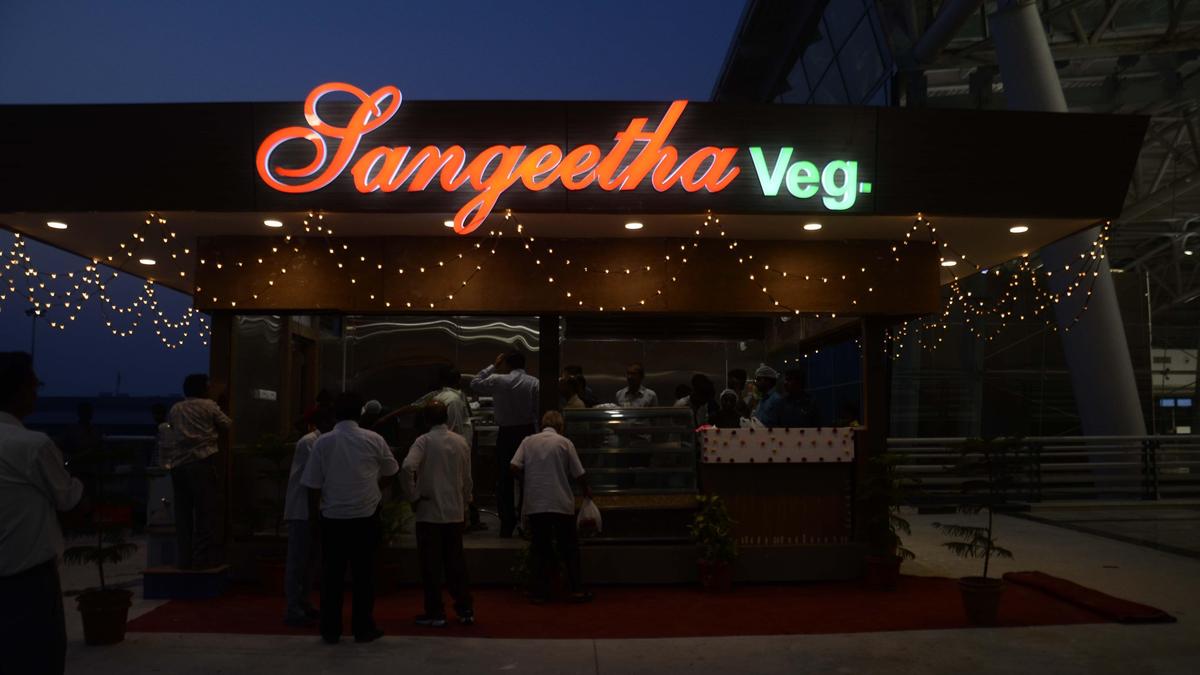
The case involved competing restaurant establishments with similar names, where the plaintiff sought to establish that the defendant's branding would confuse consumers and infringe trademark rights. The court's reasoning suggests that in the food service industry, where immediate hunger often drives purchasing decisions, the threshold for finding confusing similarity between brands may be lower than in other sectors.