World · India Bureau
Madras offered women refuge and autonomy, says author Karunakaran
Author Kalpana Karunakaran explores how the city of Madras became a sanctuary for women seeking independence and self-determination in her new work examining memory, correspondence and resistance.
LSN India ·
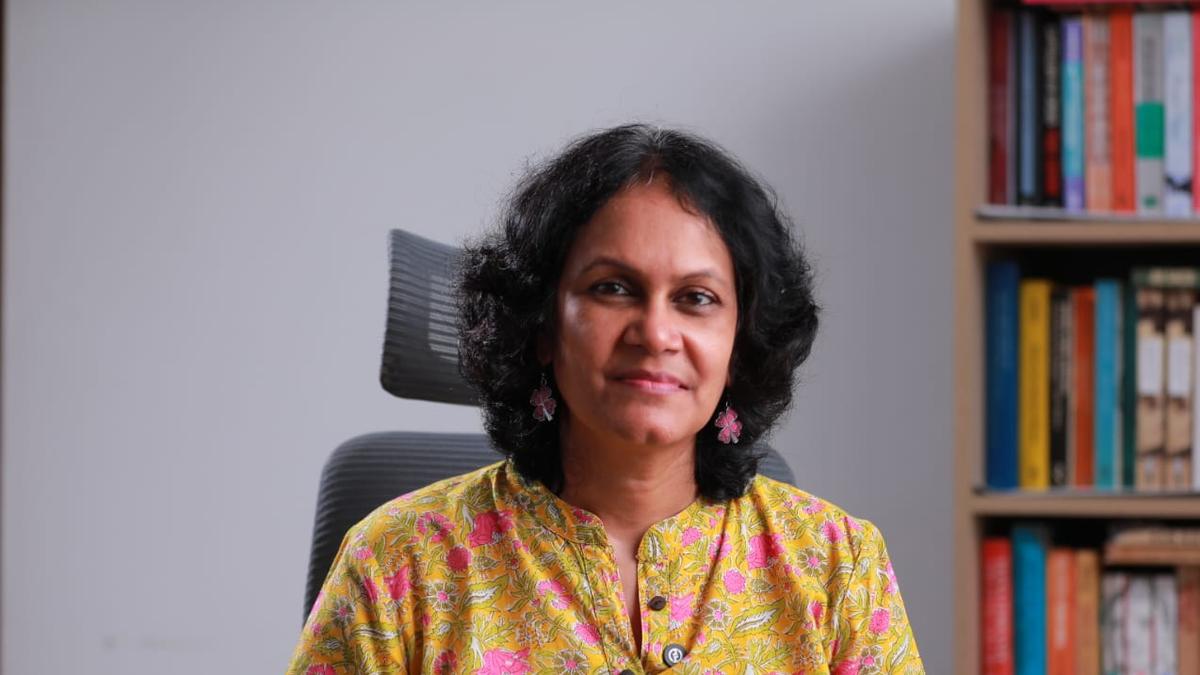
Kalpana Karunakaran's latest work, 'A Woman of No Consequence: Memory, Letters and Resistance in Madras,' examines the historical significance of Madras as a space where women found both shelter and agency during transformative periods.
Through archival research and analysis of personal correspondence, Karunakaran traces how the port city functioned as a haven for women navigating social constraints and seeking autonomy in their personal and professional lives. The work draws on letters and documented accounts to construct narratives of resistance and self-determination among female residents across different historical periods.
The author's research suggests that Madras provided distinct opportunities for women compared to other urban centers of the era. The city's cosmopolitan character, commercial dynamism, and relative social openness created conditions where women could exercise greater freedom in determining their life trajectories and challenging prevailing social norms.
Karunakaran's investigation illuminates lesser-known chapters of women's history in South India, emphasizing how individual agency and collective experience shaped the social fabric of one of the subcontinent's most significant historical cities. The work contributes to broader conversations about women's autonomy, urban history, and the politics of memory in understanding India's past.