Politics · Malaysia Bureau
Maduro invokes presidential immunity in bid to dismiss US charges
Venezuelan President Nicolás Maduro has asked a US court to dismiss criminal charges against him, citing the long-established principle of sovereign immunity for sitting heads of state. The legal maneuver underscores a central tension in international law between prosecuting alleged crimes and protecting diplomatic relations.
LSN Malaysia ·
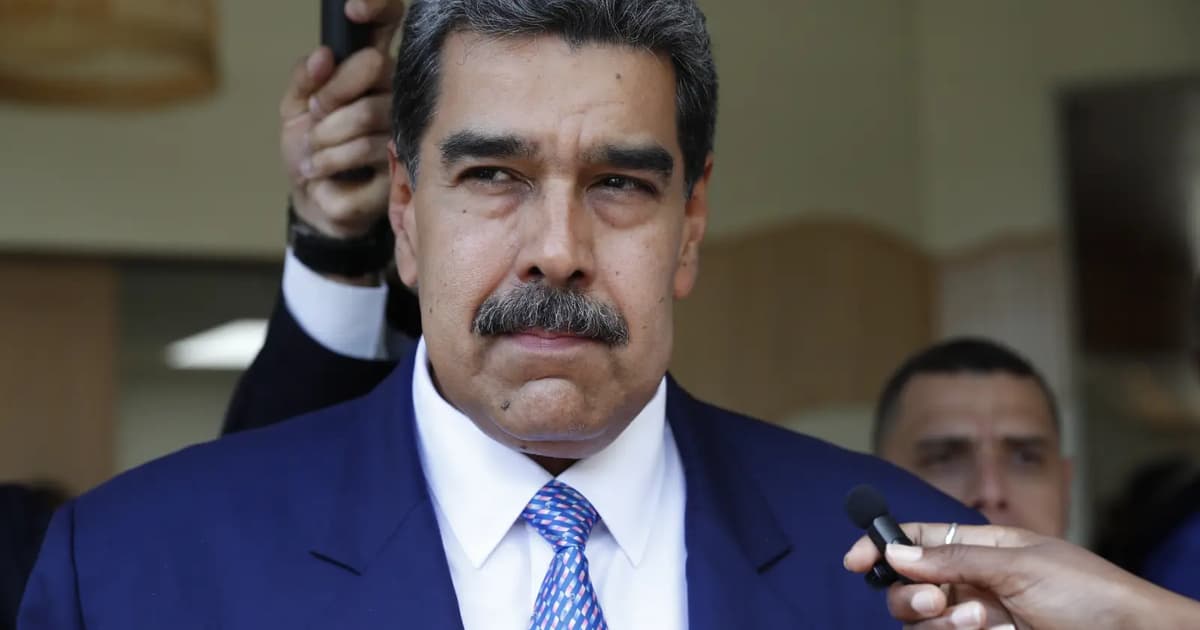
Maduro's legal team filed arguments in federal court contending that sitting presidents cannot be prosecuted abroad under well-established principles of international law. The doctrine of sovereign immunity, recognized across most legal systems, grants sitting heads of state protection from foreign judicial proceedings—a protection viewed as essential to preserving diplomatic channels and international stability.
The Venezuelan leader faces multiple charges in the United States, though the specifics of the allegations remain subject to ongoing legal proceedings. His immunity claim reflects a common defensive strategy employed by leaders facing prosecution in foreign jurisdictions, though success rates vary depending on factors including the jurisdiction's interpretation of international law and the severity of alleged offences.
The case highlights the enduring tension between international law's emphasis on diplomatic protection and the push by some nations to hold leaders accountable for serious crimes. While sovereign immunity has traditionally been upheld for sitting officials, some jurisdictions have carved out exceptions for crimes against humanity and other grave violations, though application of such exceptions remains inconsistent globally.
The US court's decision on Maduro's immunity claim will likely influence broader discussions about executive accountability and the limits of diplomatic protection in contemporary international relations.