World · India Bureau
Mahabharata's Enduring Mysteries Reveal Complex Layers of Ancient Conflict
Scholars continue to examine the Mahabharata as more than a dynastic struggle, uncovering how ambition and cunning orchestrated one of history's most consequential confrontations. New perspectives suggest the epic conflict embodied deeper philosophical battles between dharma and adharma.
LSN India ·
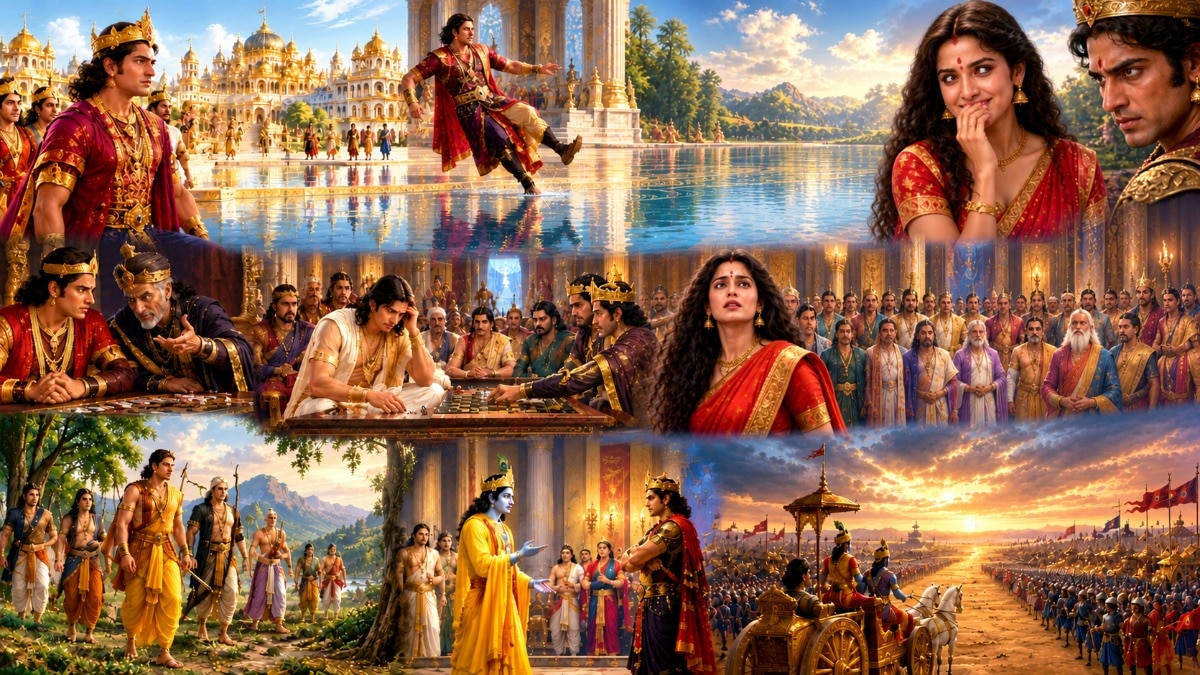
The Mahabharata, India's ancient Sanskrit epic, has long captivated scholars and readers as a narrative extending far beyond a simple family feud. Contemporary analysis reveals the Kurukshetra War as a complex confluence of political machination, personal vendetta, and philosophical contest between righteousness and transgression.
Historians point to the pivotal role of princely ambition in escalating tensions between the rival Kuru clans. Duryodhana's inflexible pride and his uncle Shakuni's strategic manipulations created conditions that pushed even reluctant warriors into direct confrontation. The famous dice game, which stripped the Pandavas of their kingdom and dignity, exemplified how calculated schemes transformed recoverable disputes into irreversible conflict.
Beyond the military narrative, the epic functioned as a philosophical treatise exploring dharma—righteous duty—against adharma, or transgression. The Bhagavad Gita, embedded within the larger text, crystallises this ideological dimension, with Lord Krishna articulating principles of righteous action to the warrior Arjuna on the battlefield's eve.
Scholars emphasise that the Mahabharata transcends historical chronicle or mere entertainment. The epic has endured for millennia because it grapples with timeless questions about morality, loyalty, and the nature of just conflict—themes that continue resonating across Indian culture and philosophy.