Politics · India Bureau
Maharashtra allocates ₹160 crore for tribal development in 2026-27 budget
The Maharashtra government has earmarked substantial funds for welfare schemes targeting scheduled tribes and the Pardhi community. The allocation includes provisions for both individual and collective benefit programmes with full government grant backing.
LSN India ·
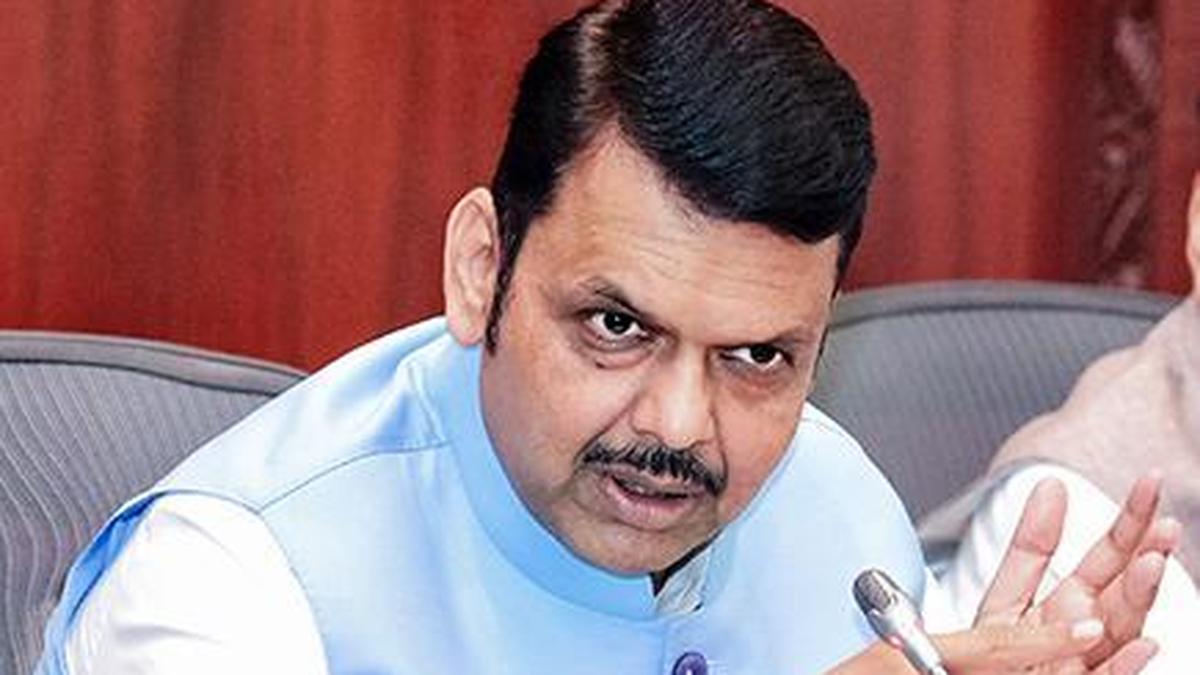
Maharashtra's 2026-27 budget includes a comprehensive ₹160 crore package dedicated to the development of primitive tribes and marginalised communities across the state. The allocation reflects the government's commitment to addressing the socioeconomic needs of vulnerable populations through targeted interventions.
Of the total allocation, ₹130 crore has been reserved specifically for primitive tribes, while an additional ₹30 crore has been earmarked for welfare and development programmes benefiting the Pardhi community. The budget structure underscores the government's recognition of distinct developmental priorities across different tribal groups in Maharashtra.
A significant feature of the budgetary provision is the commitment to furnish 100 percent government grants for both individual and collective benefit schemes. This approach aims to ensure direct financial support reaches intended beneficiaries without requiring matching contributions from recipients, thereby reducing barriers to programme participation.
The schemes are designed to address various aspects of tribal welfare, including livelihood enhancement, skill development, and community infrastructure projects. By providing grants rather than loans, the government intends to facilitate broader access to development opportunities among Maharashtra's tribal populations.
This budgetary commitment comes as part of broader efforts by state governments across India to accelerate socioeconomic development in scheduled tribe communities, which continue to face higher poverty and unemployment rates compared to general populations.