World · India Bureau
Maharashtra community leads efforts to protect indigenous fish species
A grassroots initiative in Maharashtra is demonstrating how local communities can effectively conserve native fish populations threatened by invasive species and habitat degradation. The project offers a replicable model for biodiversity preservation across India's waterways.
LSN India ·
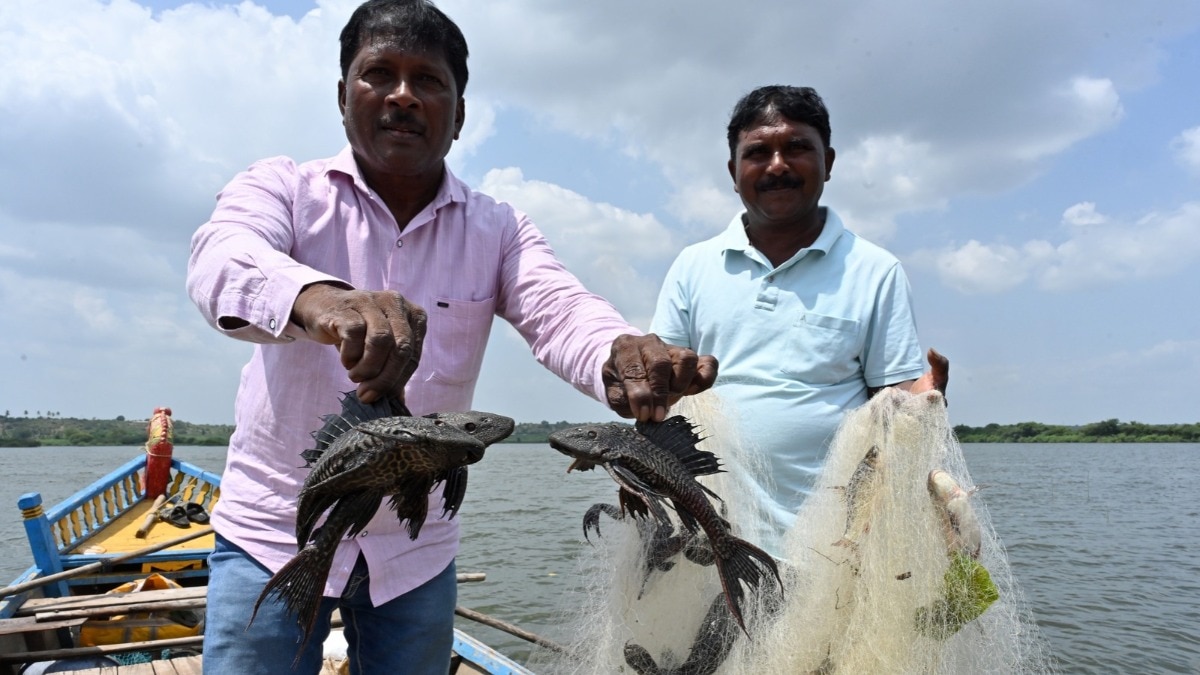
Communities in Maharashtra are spearheading conservation efforts focused on protecting indigenous fish species from extinction, addressing a critical gap in India's environmental preservation strategies. The initiative targets native freshwater fish populations that face mounting pressure from invasive aquatic species, pollution, and habitat loss across the region's rivers and water bodies.
Local stakeholders have adopted a multipronged approach combining habitat restoration, invasive species management, and community awareness programs. These efforts aim to restore ecological balance in Maharashtra's aquatic ecosystems while maintaining the livelihoods of communities dependent on traditional fishing practices.
The conservation model emphasizes participation from local fishermen and residents, positioning them as custodians of native fish stocks rather than external stakeholders in the preservation process. By integrating traditional ecological knowledge with modern conservation techniques, the community-led initiative has begun documenting measurable improvements in native fish populations.
Experts view the Maharashtra project as a potential blueprint for similar conservation efforts across South Asia, where native fish species increasingly face extinction pressures. The initiative underscores the importance of community involvement in achieving sustainable biodiversity outcomes in regions where conservation resources remain limited and competing land-use pressures persist.