World · India Bureau
Maharashtra drought declaration affects 265 talukas as monsoon fails
Maharashtra has declared drought conditions across 265 talukas as the monsoon season draws to a close with significantly below-average rainfall. Only five districts in the state have recorded precipitation at or above normal levels for the period.
LSN India ·
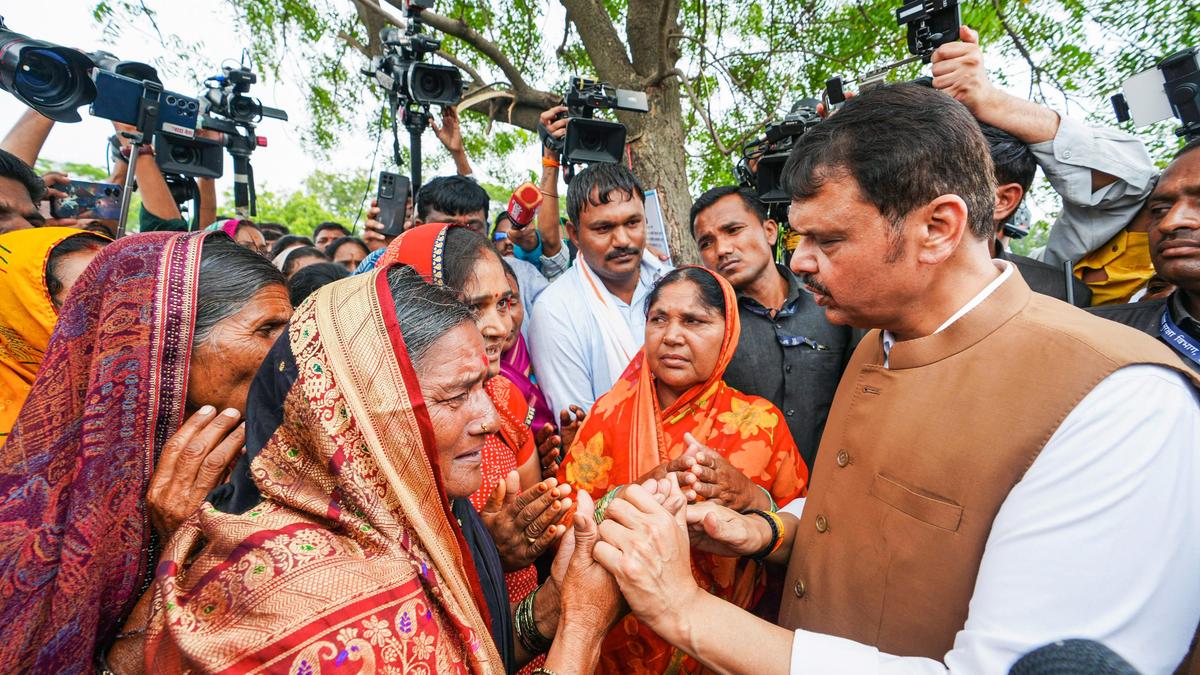
The drought declaration in Maharashtra comes at a critical juncture as the southwest monsoon approaches its conclusion, with most of the state experiencing a substantial shortfall in seasonal rainfall. The widespread nature of the drought, spanning 265 talukas across multiple districts, underscores the severity of the moisture deficit affecting agricultural regions throughout the state.
The rainfall deficiency has been particularly acute, with only a handful of districts—five in total—managing to record precipitation levels that meet or exceed the historical average for the corresponding period. This concentration of adequate rainfall in a small number of districts highlights the uneven distribution of monsoon showers across Maharashtra this season, leaving vast agricultural tracts vulnerable to crop failure and water scarcity.
Drought declarations in Maharashtra typically trigger a range of relief measures and support mechanisms for affected farmers. These can include subsidized agricultural loans, seed assistance, waiver of electricity charges for irrigation, and other forms of government aid aimed at mitigating the economic impact on rural communities. The state administration is expected to deploy these resources across the drought-affected talukas to provide relief to farming communities.
The drought situation reflects broader climatic patterns affecting the region, with implications for crop yields and farmer livelihoods in one of India's agriculturally significant states. Officials are likely to monitor weather patterns closely as the monsoon season concludes, with implications for the upcoming rabi agricultural season and water management strategies for the coming months.