World · India Bureau
Maharashtra farmer destroys own crop after monsoon drought wipes out harvest
A farmer in Maharashtra's Lattur district has destroyed his own standing crop using a tractor, driven to desperation after inadequate post-monsoon rainfall devastated his harvest. The incident underscores mounting distress among cultivators whose debt-financed agricultural investments have been rendered worthless by erratic weather patterns.
LSN India ·
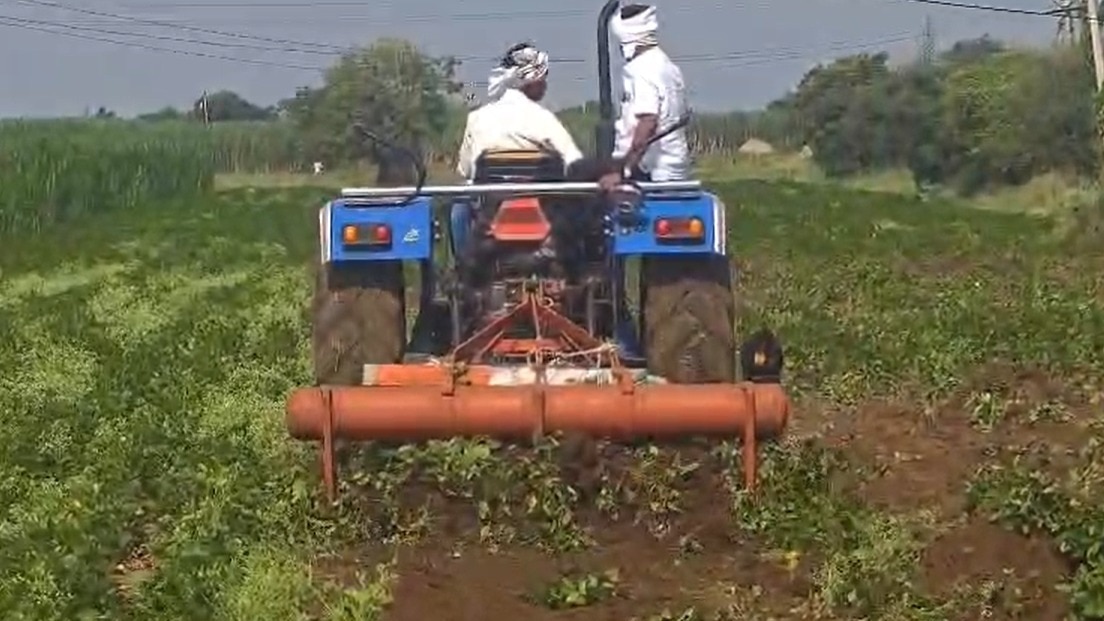
Farmers across Lattur district in Maharashtra are facing severe losses as the region continues to experience insufficient rainfall even after the official monsoon season, with standing crops withering in the fields. The shortfall has triggered a crisis for cultivators who had invested borrowed funds in their kharif crops, betting on adequate moisture for successful harvests.
One farmer's response to the mounting losses has brought the agricultural distress into sharp focus. Unable to salvage his investment or watch his deteriorating crop stand idle in the field any longer, the cultivator took the drastic step of operating his tractor across his own fields to destroy the remaining plants. The decision reflects the severe financial and psychological toll of crop failure on debt-dependent farming households.
The Lattur district has historically been vulnerable to monsoon fluctuations, with inadequate rainfall frequently triggering widespread agricultural losses. This season's erratic weather patterns have compounded the challenge for farmers who depend on timely and sufficient precipitation for kharif cultivation. Many borrowers face mounting pressure from lenders while their investment prospects dim with each passing day of dry weather.
The incident highlights the precarious position of Indian farmers who frequently take loans against anticipated harvests, only to see those expectations collapse due to climatic variations. Agricultural experts and administrators in the region have been monitoring the situation closely, though immediate relief measures remain limited in scope.