Business · India Bureau
Maharashtra FDA resolves 72% of complaints in quarterly drive
The Maharashtra Food and Drug Administration has resolved nearly three-quarters of over 13,800 grievances received in the past three months, with artificial intelligence filtering out more than 11,000 invalid submissions. The efficiency drive reflects growing concerns about dark stores and quick-commerce platforms operating in the state.
LSN India ·
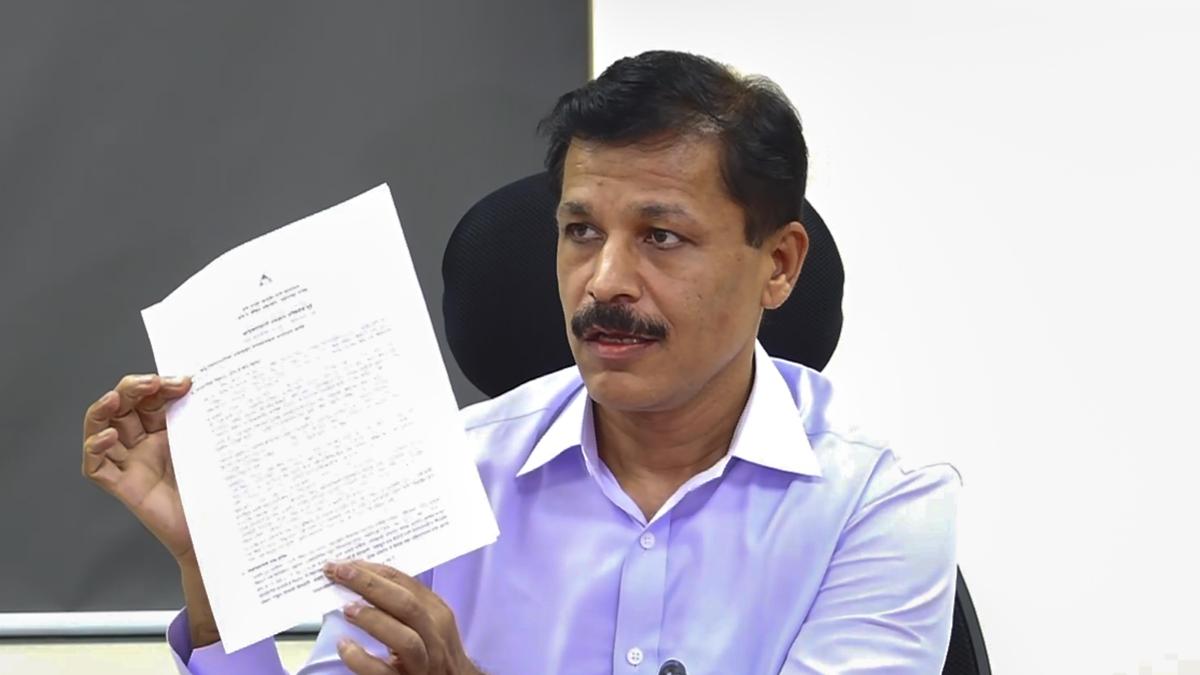
The Maharashtra Food and Drug Administration (FDA) has processed a significant volume of consumer complaints, resolving 9,977 cases out of 13,857 submissions received over a three-month period, achieving a 72 percent resolution rate. The administration deployed artificial intelligence systems to streamline the complaint management process, with the technology identifying and filtering out over 11,000 invalid or duplicate submissions before they entered the formal grievance redressal pipeline.
Pune emerged as the district with the highest number of complaints filed during the review period, reflecting the region's dense consumer base and heightened awareness of grievance mechanisms. The surge in complaints underscores growing consumer concerns about food and drug safety standards across Maharashtra's retail landscape.
A notable trend in the complaint data involves rising grievances against dark stores and quick-commerce platforms, which have proliferated across urban centres in recent months. These establishments, which operate from non-traditional retail spaces to facilitate rapid delivery services, have drawn scrutiny from regulatory authorities and consumers alike over storage conditions, product authenticity, and compliance with food safety standards.
The FDA's quarterly performance metrics suggest the administration is strengthening its capacity to handle consumer grievances while leveraging technology to improve operational efficiency. Officials indicated that the resolution rate and complaint filtering demonstrate enhanced coordination between district-level authorities and the state administration, though specific timelines for pending cases were not disclosed.