Politics · India Bureau
Maharashtra ordinance on Gokul Dairy board sparks democratic concerns
A Maharashtra government ordinance allowing state-nominated directors to Gokul Dairy's board has triggered political backlash after a Congress-backed panel won the majority of elected positions. The move raises questions about cooperative autonomy and democratic accountability.
LSN India ·
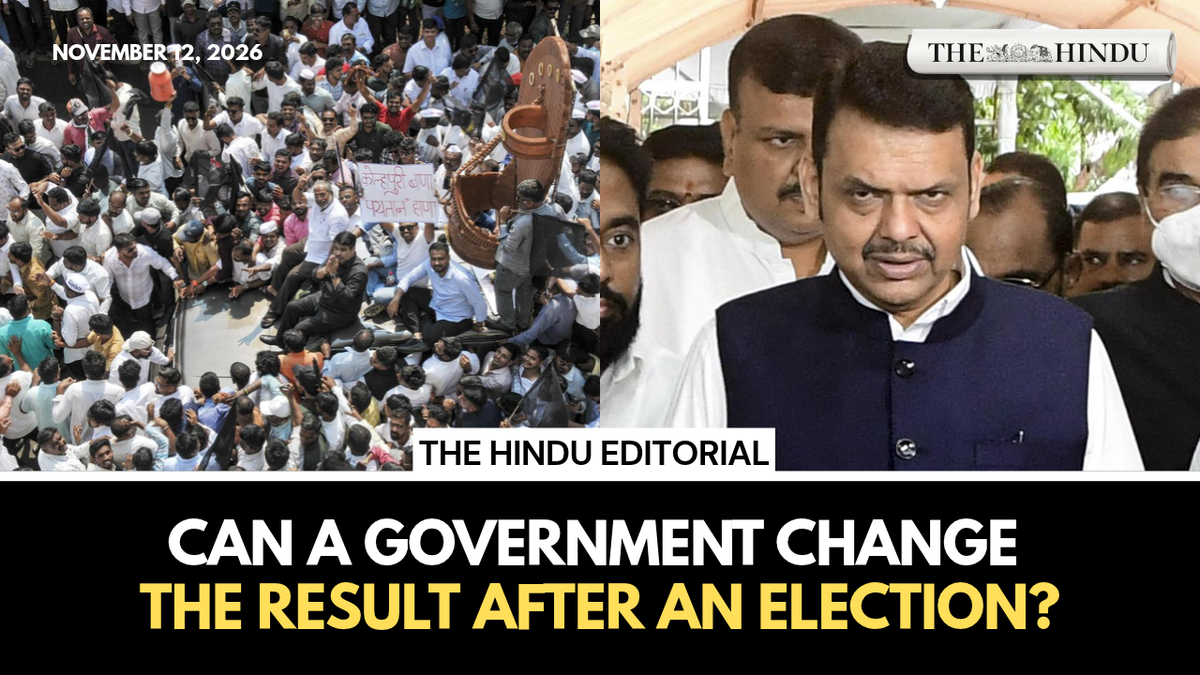
The Gokul Dairy board election in Maharashtra has become a focal point of political controversy following a state ordinance that permits the government to appoint voting directors to the cooperative's governing structure. The intervention came after a Congress-aligned group secured a majority in the directly elected seats, prompting critics to question the timing and motivations behind the administrative action.
Under the ordinance, the state government gained the power to nominate voting directors despite the electoral outcome, effectively altering the composition of the board after votes had been cast and counted. Political observers argue that this move circumvents the democratic mandate delivered by the election, weakening the voice of elected representatives within the cooperative governance structure.
The controversy has intensified scrutiny over the balance between state authority and cooperative independence in Maharashtra. Opponents contend that such interventions undermine the fundamental principles of cooperative governance, where member-elected bodies are meant to retain decision-making power without executive override through appointed positions.
The incident reflects broader tensions in Indian cooperative institutions, where the intersection of democratic processes and government control continues to generate debate. The Gokul Dairy situation highlights concerns that state intervention, even when framed as administrative necessity, can potentially compromise the autonomy that cooperatives are established to protect.