Politics · India Bureau
Maharashtra's Beed district battles severe drought, job schemes fall short
Widespread drought has crippled Maharashtra's Beed district, forcing women farmers and labourers into distress migration despite government employment guarantees. Officials have announced a ₹6,728-crore relief package, but villagers report minimal tangible support.
LSN India ·
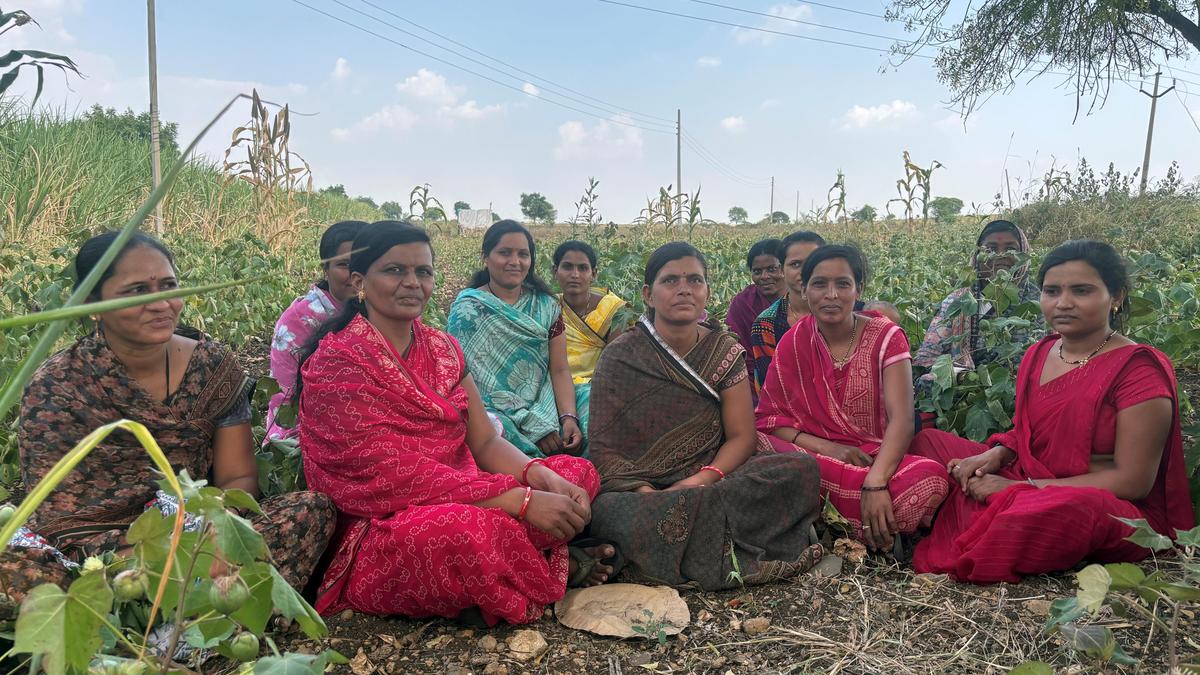
Beed district in Maharashtra is grappling with severe drought conditions that have devastated agricultural livelihoods across the region. The prolonged water shortage has pushed farming communities, particularly women workers, toward forced migration in search of alternative income sources. Local residents report widespread disappointment with the implementation of state employment guarantee schemes, which have failed to provide adequate work opportunities despite repeated requests for assistance.
The crisis has exposed significant gaps between policy announcements and ground-level implementation. While the Maharashtra government has unveiled a ₹6,728-crore relief package aimed at drought mitigation, villagers contend that such measures have yielded limited practical benefits. Agricultural productivity has collapsed across the district, leaving farmers with depleted incomes and mounting debts.
Women labourers and small farmers have borne the brunt of the drought's impact, with many forced to seek employment outside their home villages. This distress migration underscores the inadequacy of current relief mechanisms and employment programs designed to retain rural populations during agricultural crises. Officials have not disclosed specific timelines for relief disbursement or details on how the announced package will be distributed to affected communities.
The situation reflects broader challenges in Maharashtra's approach to drought management, where centralized relief efforts often fail to reach vulnerable populations quickly. Agricultural experts and local administrators acknowledge the need for enhanced coordination between state and district-level authorities to ensure timely intervention and prevent further rural-urban migration driven by economic desperation.