Business · India Bureau
Maharashtra's child marriage crisis: poverty, fear drive Marathwada families
In Maharashtra's Marathwada region, child marriage remains deeply entrenched despite legal prohibitions, driven by poverty, migration-related anxieties, and concerns about girls' safety and family honour. Advocates are working to break the cycle through education and economic independence.
LSN India ·
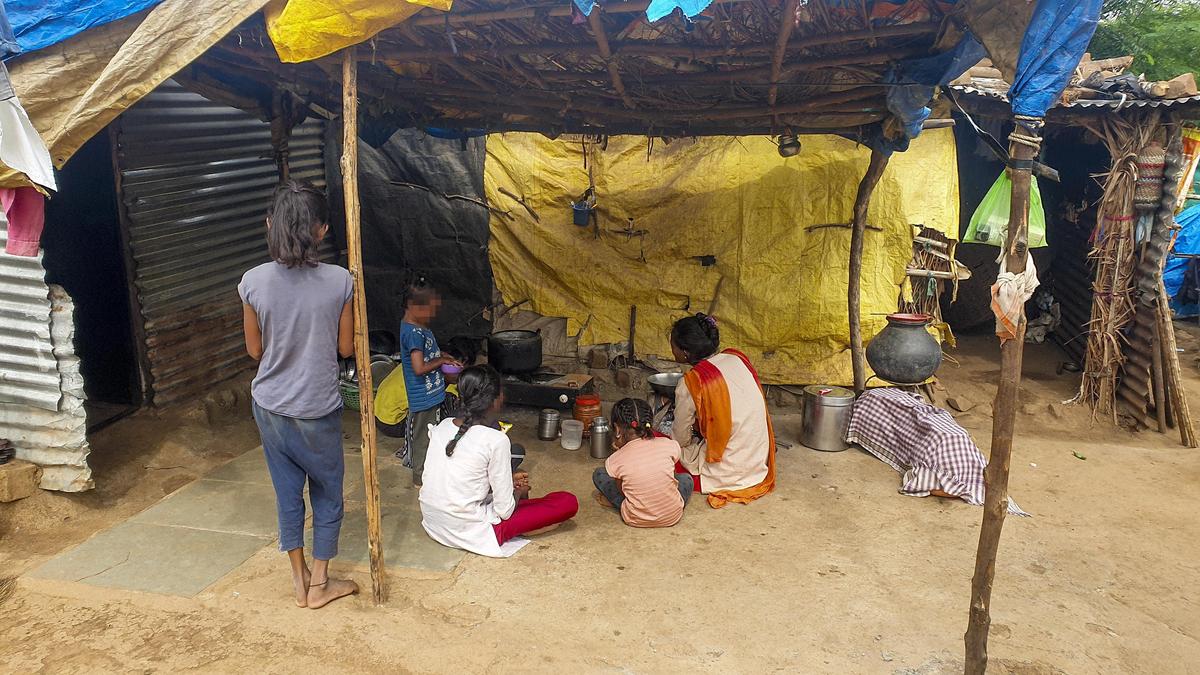
Child marriage persists across Maharashtra's economically challenged Marathwada region, where families continue to marry off daughters at young ages despite decades of legislative efforts to end the practice. The practice is sustained by intersecting vulnerabilities: economic hardship leaves families viewing marriage as a way to reduce financial burden, while migration patterns and social anxieties about girls' safety and family reputation create pressure to secure early unions.
The region's weak institutional mechanisms for enforcement and a functioning marriage market that facilitates such unions have created conditions where children, particularly girls, remain at heightened risk. Predatory elements exploit these gaps, while families caught in cycles of poverty see limited alternatives to the traditional pathway of early marriage.
Activists and educators working across Marathwada are attempting to counter these entrenched patterns by prioritising girls' education and fostering economic independence among vulnerable families. These efforts aim to shift perceptions around girls' value beyond their marriageability and to provide families with viable alternatives to early union. However, progress remains incremental as deep-rooted social attitudes and structural poverty continue to undermine protective interventions.