Culture & Entertainment · India Bureau
Maharashtra's data centre ambitions mask deepening power crisis for residents
As Maharashtra aggressively pursues development of data centres to position itself as a technology hub, ordinary citizens face mounting electricity shortages and grid instability. The state's infrastructure prioritisation raises questions about equitable resource allocation amid competing demands.
LSN India ·
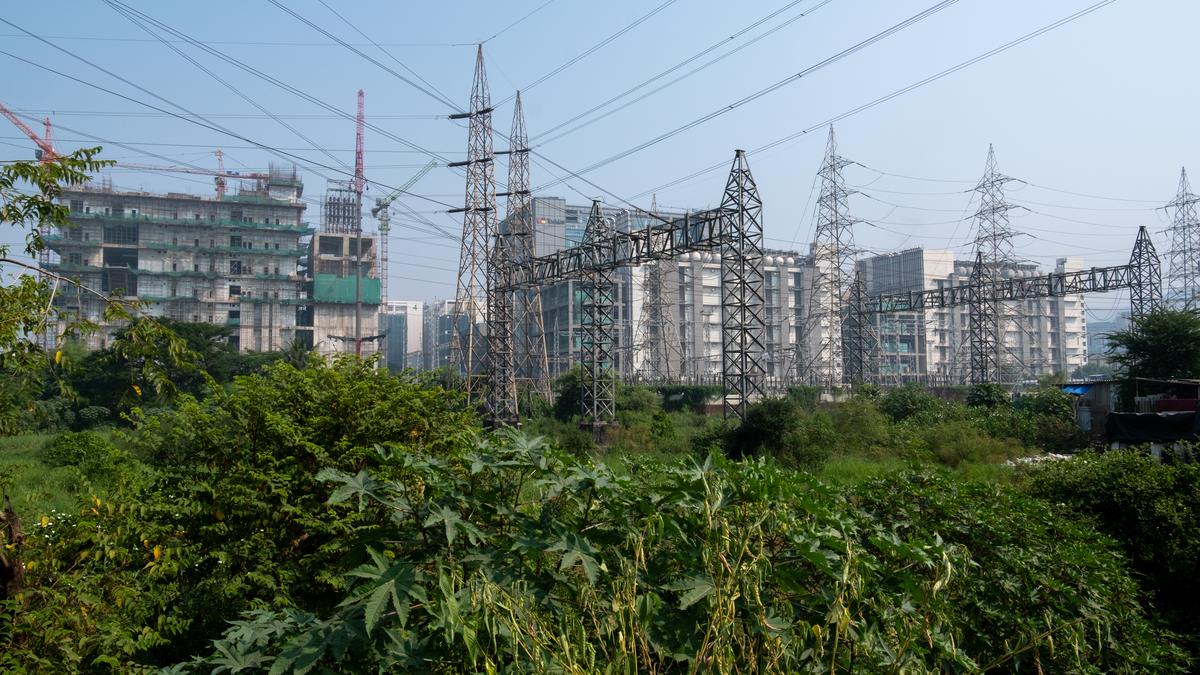
Maharashtra's strategy to establish itself as a premier data centre destination is proceeding at pace, yet the infrastructure push has coincided with a marked deterioration in power supply reliability for domestic and commercial consumers across the state. Rolling blackouts and voltage fluctuations have become increasingly common, affecting households and small businesses that lack dedicated backup systems.
The expansion of data centre capacity, which demands consistent, high-quality power supply, has created competing pressures on Maharashtra's electrical grid. While state authorities tout the economic benefits and job creation potential of the data hub initiative, critics argue that investment prioritisation reflects a disconnect between government policy and the daily needs of ordinary citizens who depend on stable electricity access.
Power distribution companies in the state have attributed some supply constraints to aging infrastructure and seasonal demand variations. However, observers note that the scale and pace of data centre development has not been matched by corresponding investments in generation capacity or grid modernisation to meet total demand.
The situation underscores a broader challenge facing India's technology-driven development model: balancing aspirations for global competitiveness against the fundamental utility needs of existing populations. Maharashtra's experience suggests that without comprehensive infrastructure planning, rapid sectoral growth can inadvertently compromise service delivery to those least able to absorb the consequences of outages.
State officials have indicated that additional power procurement initiatives are under consideration, though timeline and funding details remain unclear. Meanwhile, residents and businesses continue to navigate an increasingly unreliable power landscape.