Business · India Bureau
Maharashtra's Tamasha performers fight exploitation while keeping tradition alive
Women from Maharashtra's Kolhati community, custodians of the state's ancient Tamasha folk tradition, face systemic challenges including sexual exploitation and economic hardship. Activists and community members are now working to preserve the cultural heritage while breaking cycles of vulnerability that have denied generations educational opportunities and economic mobility.
LSN India ·
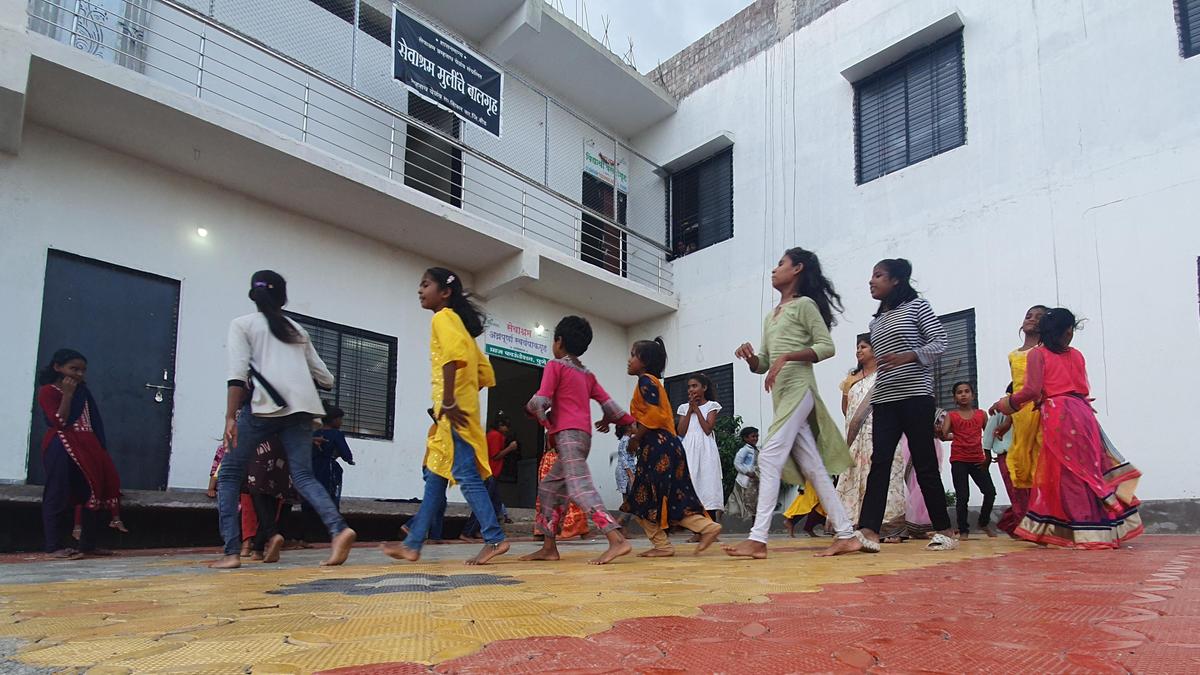
The Kolhati women of Maharashtra have maintained the Tamasha folk tradition for generations, a vibrant performance art form deeply embedded in the state's cultural landscape. Yet their preservation of this heritage comes at considerable personal cost, as many practitioners navigate pervasive social stigma, economic insecurity, and vulnerability to exploitation.
The community's struggles reflect broader structural inequities. Women performers frequently lack financial stability and face social discrimination that extends beyond their professional lives. Their children encounter systemic barriers to education, limiting pathways to alternative livelihoods and perpetuating a cycle where performance becomes the only available occupation across generations.
Recognizing these interconnected challenges, community members and social activists have mobilized efforts to address exploitation while safeguarding the Tamasha tradition. These initiatives aim to secure dignified working conditions, expand educational access for children, and create economic alternatives that do not require abandoning cultural identity.
The work remains complex, requiring simultaneous attention to immediate welfare concerns and longer-term social change. Advocates stress that preservation of Maharashtra's folk heritage need not depend on the vulnerability of its practitioners, and that breaking generational cycles of disadvantage is essential to ensuring the tradition's sustainable future.