World · India Bureau
Major dams choke Danube Delta sediment flow, accelerating coastal erosion
Upstream engineering projects have drastically reduced sediment reaching Europe's largest river delta, triggering accelerated coastal erosion. Environmental officials are now removing obsolete dams to restore natural river dynamics.
LSN India ·
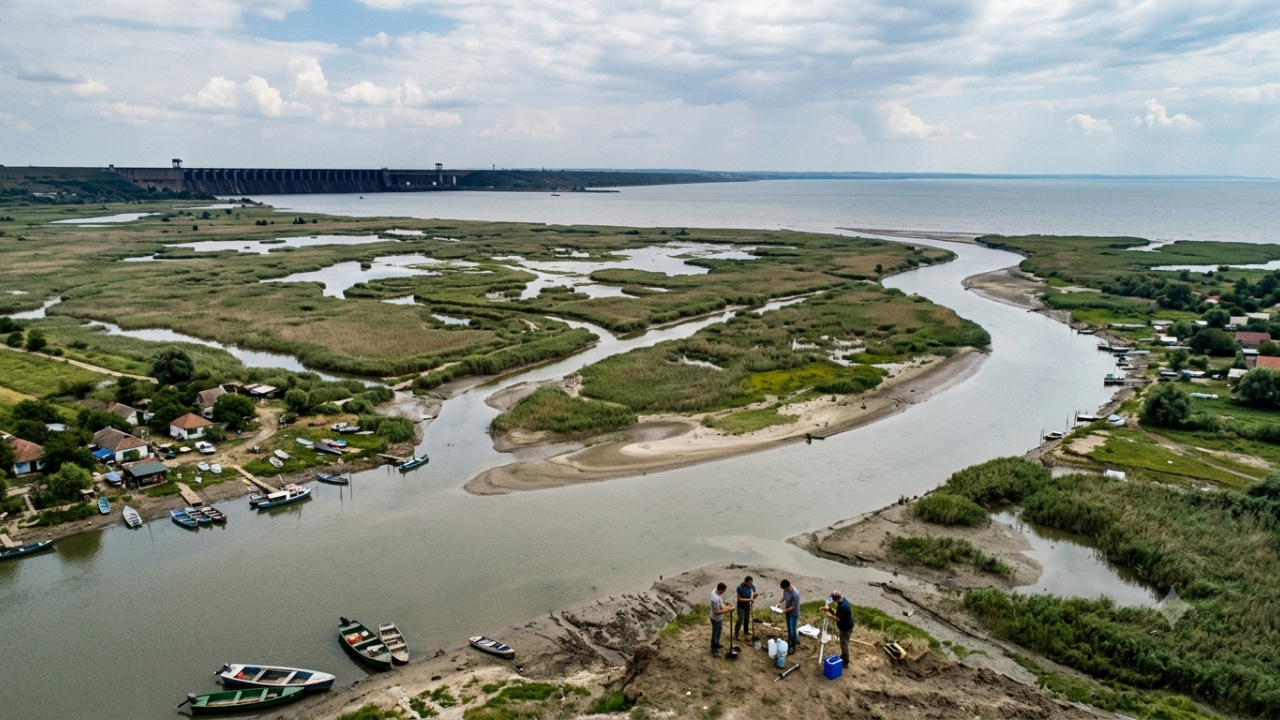
The Danube Delta's ecological balance has been fundamentally altered by massive upstream dams that trap vast quantities of sediment before it can reach the river's mouth, environmental specialists say. Major hydraulic structures, particularly the Iron Gates complex, have significantly reduced the natural sediment supply that has historically sustained the delta's landmass for millennia.
The reduction in sediment flow has created a cascading environmental crisis, with the delta's seaward shoreline experiencing accelerated erosion as the protective layer of riverborne material fails to replenish coastal areas. Scientists attribute the delta's geomorphological transformation directly to these engineering interventions, which fundamentally disrupted the river's ability to transport sediment downstream.
In response to the deteriorating situation, environmental authorities have launched restoration efforts by removing ten obsolete dams from tributaries across the Danube basin. These removal projects aim to reconnect fragmented aquatic habitats and restore natural sediment transportation patterns that have been blocked for decades.
The Danube Delta case highlights the long-term environmental consequences of large-scale river engineering projects, demonstrating how upstream interventions can profoundly affect downstream ecosystems thousands of kilometres away. Experts suggest that balancing hydroelectric generation and flood control with environmental preservation requires more integrated approaches to river management.