World · India Bureau
Major regulatory changes set to take effect across banking, energy sectors
From October 1, Indians will face significant changes affecting liquefied petroleum gas pricing, fixed deposit regulations, and banking transaction rules. The shifts will impact household budgets and financial planning across the country.
LSN India ·
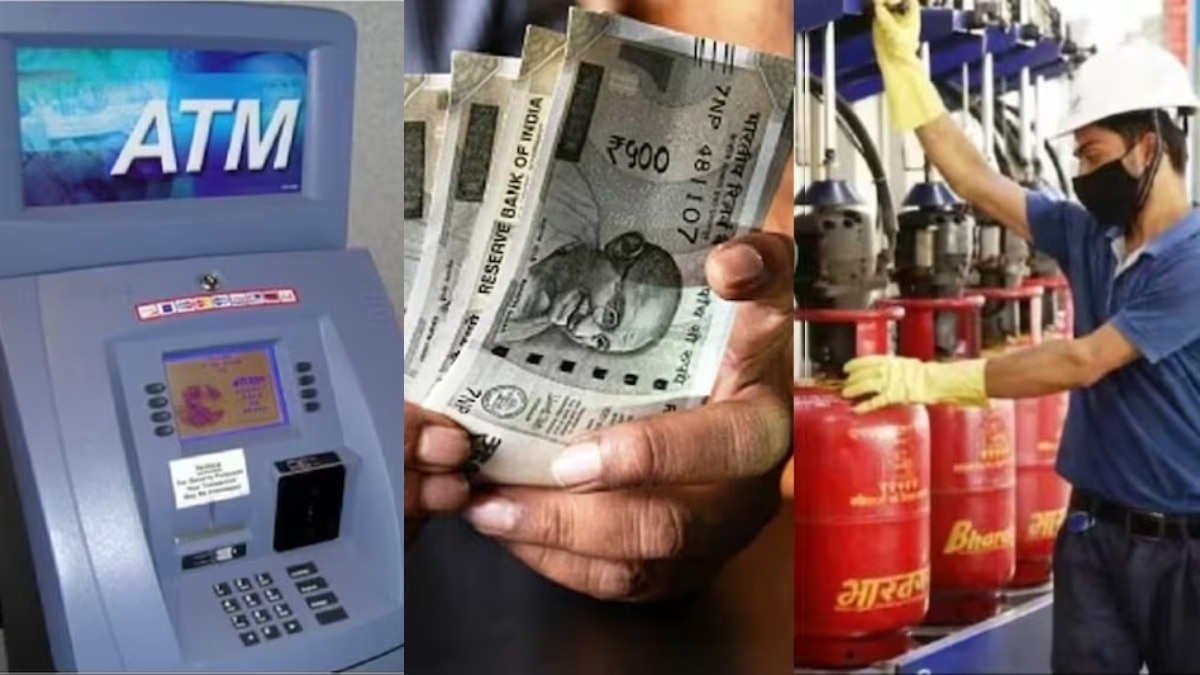
A slate of regulatory modifications comes into force on October 1, affecting multiple sectors critical to Indian households and the broader financial system. The changes span energy pricing, banking operations, and investment schemes, with implications for consumers and depositors nationwide.
Liquid petroleum gas pricing structures will undergo revision, potentially affecting cooking fuel costs for millions of Indian households relying on cylinder-based cooking. Simultaneously, fixed deposit regulations are being reformed, altering the terms and conditions under which retail investors can park their savings in banks.
State Bank of India and other financial institutions are implementing updated guidelines governing automated teller machine transactions and withdrawal limits. Additionally, new protocols for life certificate submissions—a requirement for pensioners and certain account holders—will come into effect, streamlining previously manual documentation processes.
The National Pension System framework is also subject to modifications beginning October 1, affecting retirement savings options for subscribers. These interconnected changes underscore the government's ongoing efforts to modernize financial infrastructure and adjust subsidy mechanisms across essential sectors.