World · Sri Lanka Bureau
Major reservoirs hit critically low water levels at 34 percent capacity
Sri Lanka's principal water reservoirs are operating at just one-third capacity, according to the Irrigation Department, raising concerns about water security across the island. Officials warn that sustained low levels could impact agriculture and hydroelectric power generation.
LSN Sri Lanka ·
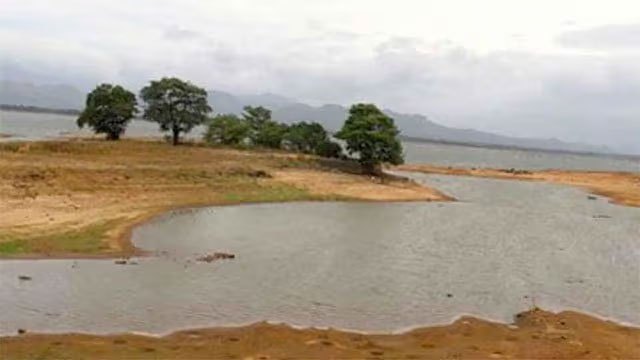
Water levels across Sri Lanka's major reservoirs have dropped to 34 percent of their total capacity, the Department of Irrigation reported, marking a significant decline in the nation's water reserves. The figure underscores mounting pressure on the country's freshwater resources amid seasonal variations and competing demands from agricultural and industrial sectors.
The low reservoir levels carry implications for multiple sectors dependent on consistent water supply. Hydroelectric power stations, which rely on reservoir volumes to generate electricity, face potential constraints on output, while irrigation schemes serving farming communities across the country remain under strain.
Agricultural stakeholders have expressed concern over the impact on irrigation-dependent crops and livestock production during the current season. The Irrigation Department indicated that water allocation schedules may require adjustment to ensure equitable distribution among competing users.
Officials have not indicated when water levels are expected to improve, with projections dependent on seasonal rainfall patterns. The department is continuing to monitor reservoir levels and coordinate water management strategies to sustain supplies throughout the dry period.